Ask three anglers when fish bite best and you will get three answers, but almost all of them will mention the same two things: the early hours and the changing seasons. Timing is one of the few advantages you can control for free. The same lake, the same lure, and the same cast can produce a slow afternoon or a memorable morning depending entirely on when you show up.
You do not need expensive electronics or years of experience to use timing in your favor. You just need to understand how light, temperature, and the calendar push fish to feed. Get those right and you will spend more time setting the hook and less time wondering where everyone went.
Why Timing Matters So Much
Fish are cold-blooded, which means their body temperature and activity level rise and fall with the water around them. They cannot decide to chase a meal when conditions are wrong, so they feed when their metabolism and their food sources line up. That usually happens during periods of changing light and comfortable temperature rather than the brightest, hottest part of the day.
Two ideas explain most of what you need to know:
- Low light makes fish bold. Predators feel safer and hunt more aggressively when the sun is not glaring down through clear water.
- Comfortable temperature makes fish active. Water that is too cold slows them down, and water that is too warm holds little oxygen and pushes them deep or makes them sluggish.
When low light and a comfortable temperature happen at the same time, you get a feeding window. The best anglers simply learn to be on the water during those windows.
The Best Times of Day
Dawn and the First Few Hours
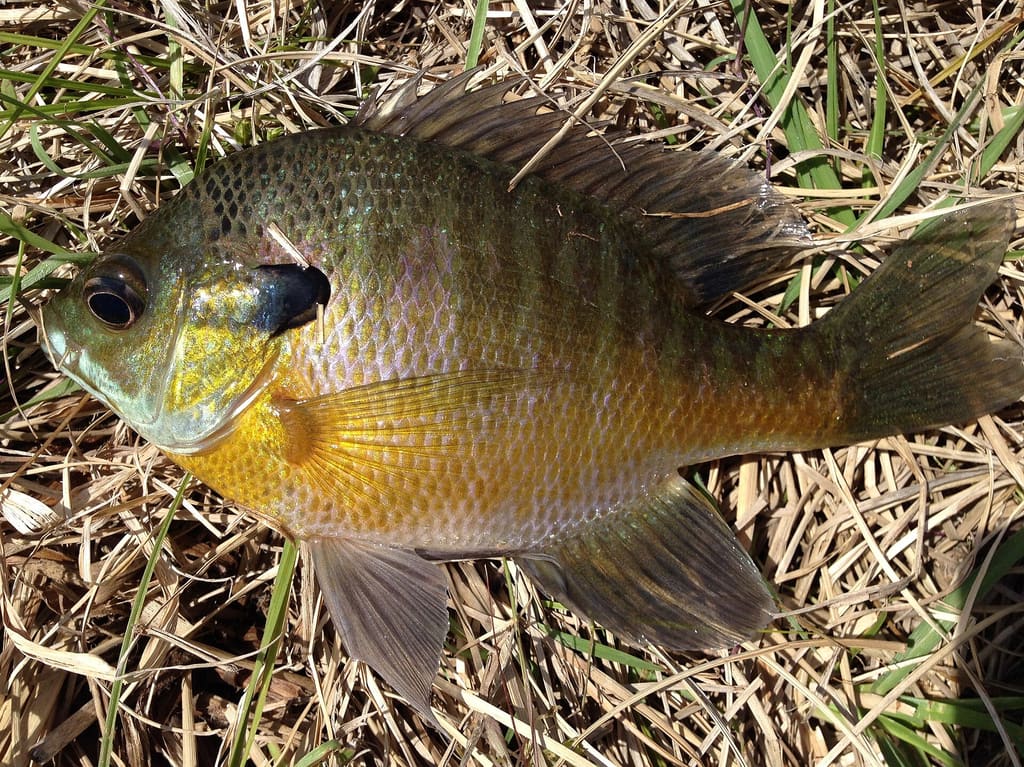
For most freshwater species, the period from just before sunrise through the first two or three hours of daylight is the single most reliable window of the day. The water has cooled overnight, light is soft, and baitfish move into the shallows. Bass, trout, panfish, and many others feed actively during this stretch.
Arrive before you can comfortably read a newspaper outside. The bite often starts in the gray light before the sun clears the trees and can shut off quickly once the sun is high.
Dusk and Into Dark
The evening mirror of the morning bite is nearly as good. As the sun drops, shadows lengthen and the surface cools, and fish move shallow again to feed before nightfall. The last hour of daylight is prime time, and for species like catfish and walleye, the bite continues well after dark.
The Midday Lull
Bright, calm midday hours are usually the toughest, especially in clear water and warm weather. Fish retreat to deeper water, shade, or thick cover where they feel protected. This is not hopeless time, but it asks more of you:
- Fish deeper, slower, and tighter to cover and structure.
- Look for shade lines, docks, overhanging trees, weed edges, and drop-offs.
- An overcast or breezy day can extend good fishing right through the middle of the day, because the cloud cover acts like extended low light.
How the Seasons Change Everything
The clock tells you when fish feed during a day. The calendar tells you where they are and how hard they will bite all season long.
Spring
Spring is many anglers’ favorite season. As water warms into the comfortable range, fish move shallow to feed and spawn. They are hungry after a long winter and often aggressive. Focus on the warmest water you can find: shallow bays, north shorelines that catch afternoon sun, and the backs of coves. Midday can actually be excellent in early spring because the afternoon sun warms the shallows and triggers feeding.
Summer
Summer brings the most extreme daily swings. Early morning and late evening are outstanding, while midday can be slow in the heat. Warm surface water holds less oxygen, so fish often go deeper or hold in shade during the day. This is the season where the dawn and dusk pattern matters most. Night fishing also shines in summer for catfish, walleye, and even bass.
Fall
Fall is a strongly underrated season. As water cools, fish sense winter coming and feed heavily to build reserves. Baitfish school up and predators follow. The daily windows widen, and you can often find good fishing throughout the day rather than only at the edges. If you want big fish actively feeding, fall is hard to beat.
Winter
Winter slows everything down. Cold water drops fish metabolism, so they eat less and move little. The best fishing usually comes during the warmest part of the day, often the afternoon, which is the opposite of summer. Slow your presentation way down, fish deeper holding water, and be patient. Ice fishing follows its own rhythm, with early morning and late afternoon often producing the most action.
Weather, Moon, and Other Factors
Time of day and season do most of the heavy lifting, but a few extra factors are worth knowing as a beginner.
- Stable weather is good. A long stretch of steady conditions usually means predictable feeding.
- The hours just before an approaching storm or front can produce a fast, aggressive bite as fish sense the change.
- The day or two after a cold front often brings a tough, slow bite under bright bluebird skies. Lower your expectations and slow down.
- Many anglers swear by the periods around the new moon and full moon and the major and minor feeding times tied to the moon. It is worth experimenting with, but never let it override the basics of dawn, dusk, and season.
A Simple Plan for Your Next Trip
You do not need to memorize all of this at once. For your next outing, try this:
- Pick a day with stable or overcast weather if you can.
- Plan to be on the water before sunrise or during the last two hours of light.
- Match your approach to the season: shallow and active in spring and fall, deep or shaded at midday in summer, slow and patient in winter.
- Fish low-light periods near cover and feeding areas, then adjust deeper as the sun climbs.
- Note the time, conditions, and what worked so you can repeat your wins.
Final Thoughts
You cannot control whether the fish are hungry, but you can control whether you are there when they are. Lean on the dawn and dusk windows, respect what each season is doing to the water, and stay flexible when the weather throws you a curve. Master timing first, and every other skill you learn will catch you more fish.