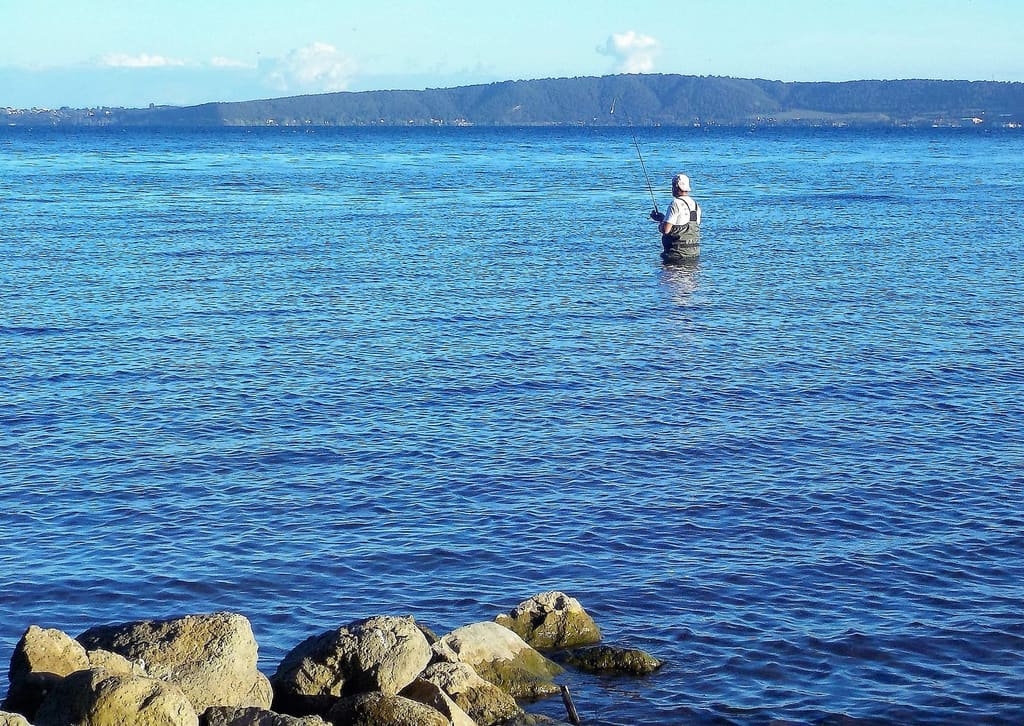
Walking into a tackle shop for the first time can feel overwhelming. There are thousands of rods, reels, lures, and gadgets, all promising to help you catch more fish. The truth is, you need very little to start. A simple, well-chosen setup will land you plenty of fish and teach you the fundamentals far better than a cart full of specialized gear ever could.
This guide covers the essentials, what each piece does, and how to spend your money wisely. Get these basics right and you will be ready to fish your local pond, lake, river, or pier on your very next outing.
The Rod and Reel
Your rod and reel are the heart of your setup, and for beginners there is one clear winner: the spinning combo. A spinning reel hangs beneath the rod and is far more forgiving than baitcasting reels, which are prone to tangles until you build skill.
Look for a combo, meaning a matched rod and reel sold together. These are inexpensive, balanced, and take the guesswork out of pairing components. For all-around freshwater fishing, choose:
- A medium-power rod around 6 to 7 feet long
- A reel in the 2500 or 3000 size
- A “medium” or “medium-light” action rating printed on the rod
This combination handles everything from panfish to bass and even modest catfish. A 6.5-foot medium spinning combo is the single most versatile tool a new angler can own.
Fishing Line
Line connects you to the fish, so do not ignore it. There are three common types, and beginners should start with monofilament.
- Monofilament (mono): Cheap, stretchy, easy to tie, and forgiving on hooksets. The best first choice. Start with 6 to 10 pound test for general freshwater use.
- Braided line: Very strong and thin for its rating, but slippery to tie and unforgiving. Save it for later.
- Fluorocarbon: Nearly invisible underwater and abrasion resistant, but stiffer and pricier. Useful as a leader down the road.
“Pound test” simply means how much weight the line can hold before breaking. For most beginner targets, 8 pound mono is a reliable middle ground.
Terminal Tackle
Terminal tackle is the small hardware tied to the end of your line. You can fish effectively with just a handful of items.
Hooks
Hooks come in many sizes, and the numbering can be confusing. For small sizes, a larger number means a smaller hook. A size 6 hook is bigger than a size 10. For panfish and general live-bait fishing, sizes 6 through 10 cover most situations. Carry a few of each.
Sinkers and Bobbers
Sinkers (weights) help your bait sink and cast farther. Split shot, which are small round weights you pinch onto the line, are the easiest to use and adjust.
A bobber, or float, suspends your bait at a set depth and signals a bite by dipping under the water. The classic red-and-white clip-on bobber is perfect for beginners and makes detecting strikes simple and fun.
Swivels
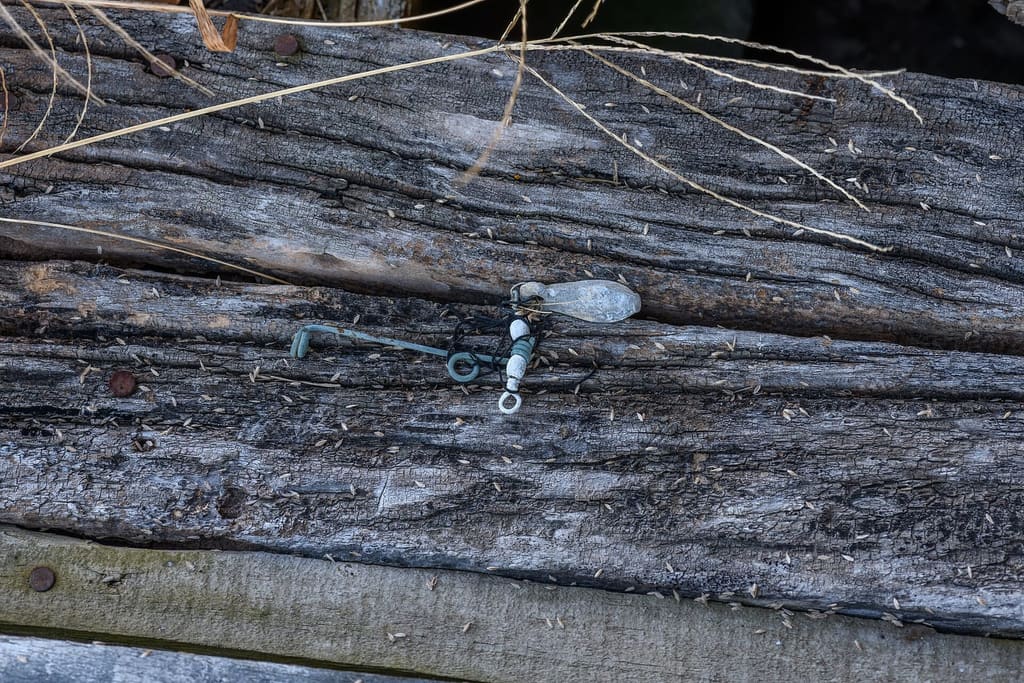
A small barrel swivel prevents line twist when using spinning baits. It is optional at first but cheap and handy to have.
Bait and Lures
You have two paths: live bait or artificial lures. Both catch fish, and starting with live bait is the fastest way to build confidence.
Live bait is hard to beat for sheer effectiveness. Nightcrawlers (large worms) will catch nearly anything that swims in fresh water. Other proven options include minnows, crickets, and pieces of nightcrawler under a bobber. Fish find natural bait by smell and movement, so even a poorly presented worm often produces.
Artificial lures are reusable and let you cover water quickly. A few beginner-friendly choices:
- Inline spinners such as a small spinnerbait that flashes and vibrates
- Soft plastic worms rigged on a hook for bass
- Small jigs tipped with soft plastics for panfish and bass
Start with live bait to learn how fish bite, then experiment with one or two lure types as your skills grow. Resist buying dozens of flashy lures at once.
Tools and Accessories
A few simple tools make every trip smoother and safer.
- Needle-nose pliers: Essential for removing hooks and crimping split shot. Do not skip these.
- Line cutters or nail clippers: For trimming knots cleanly.
- A small tackle box or bag: To keep everything organized and portable.
- A landing net: Helpful for safely bringing larger fish to hand.
- A rag or towel: Fish are slippery, and your hands will get messy.
A basic first-aid kit, sun protection, and water round out a comfortable day on the bank.
Knots You Actually Need
Gear is useless if it falls off the line. You only need one reliable knot to start: the improved clinch knot. It ties hooks, swivels, and lures securely and is easy to learn. Practice it at home with a piece of line until you can tie it without looking. A second knot worth learning eventually is the Palomar, which is even stronger and simple with braided line.
A Sensible Starter Budget
You do not need to spend a fortune. A complete, capable beginner setup looks like this:
- A spinning rod-and-reel combo
- A spool of 8 pound monofilament line
- An assorted terminal tackle kit (hooks, split shot, bobbers)
- A pack of hooks in sizes 6 to 10
- Live bait or a couple of beginner lures
- Needle-nose pliers and line cutters
This kit covers nearly every freshwater situation a new angler will encounter, and you can build on it piece by piece as you discover what you enjoy fishing for.
Final Thoughts
Great fishing starts with simple, dependable gear, not the biggest tackle collection. Pick up a quality spinning combo, spool it with monofilament, grab some hooks, bobbers, weights, and a container of nightcrawlers, and head to the water. The fundamentals you learn with this modest kit will serve you for a lifetime, and you can always add specialized gear once you know what kind of fishing you love most. Tight lines, and enjoy your first trip.