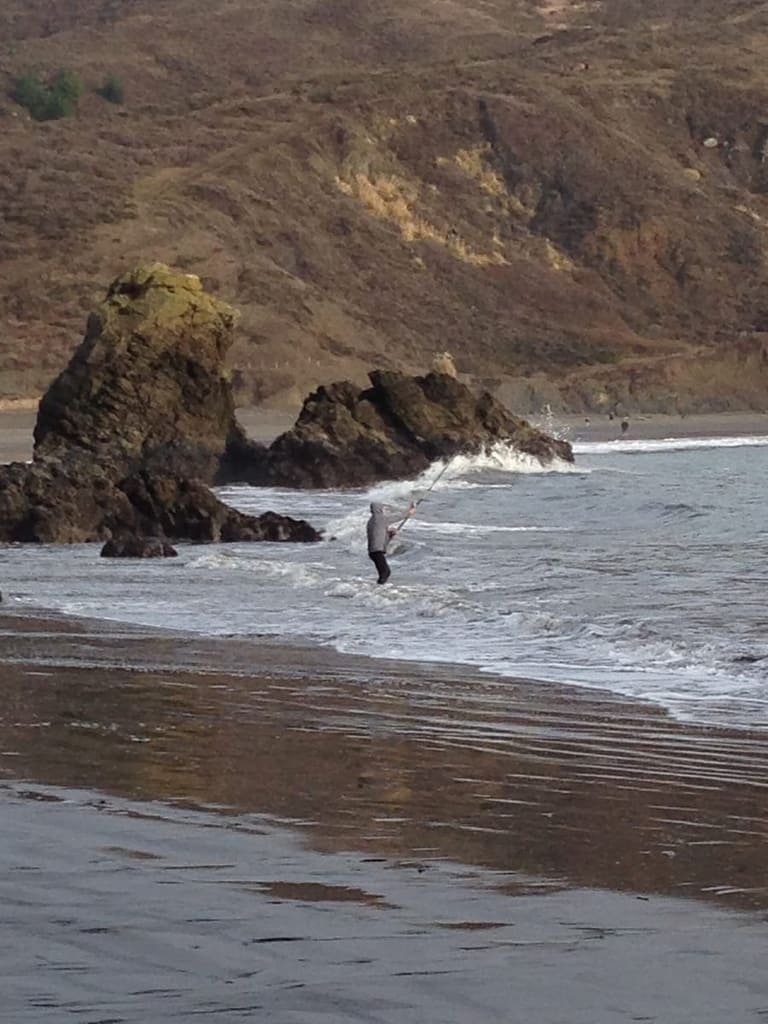
Most saltwater anglers learn quickly that where the fish are has less to do with the spot and more to do with the timing. You can fish the exact same flat, jetty, or creek mouth and catch nothing at slack water, then load the boat an hour later as the current starts to move. That difference is the tide doing its work, pushing bait, concentrating fish, and switching the bite on or off.
Tides are the most reliable, predictable variable in saltwater fishing. Wind shifts and weather fronts will fool you, but the tide runs on a schedule you can check days in advance. Once you understand how moving water positions fish and bait, you stop fishing the clock and start fishing the water.
What Tides Actually Are
Tides are the rise and fall of the ocean driven by the gravitational pull of the moon and, to a lesser degree, the sun. Most coastlines see two high tides and two low tides roughly every 24 hours and 50 minutes, which is why the timing shifts a little later each day.
The numbers on a tide chart tell you the height of the water, but for fishing, the height matters less than the movement between highs and lows. That movement is what creates current, and current is what feeds fish. Water moving from high to low is the falling or outgoing tide. Water moving from low to high is the rising or incoming tide. The short, quiet windows at the top and bottom, when the water barely moves, are called slack tide.
Why Moving Water Triggers the Bite
Predator fish are ambush feeders and energy economists. They want bait delivered to them with minimal effort, and moving water does exactly that. Current sweeps shrimp, crabs, baitfish, and worms off flats, out of marsh grass, and over structure, while gamefish stage downcurrent and pick them off.
Slack tide is usually the slowest fishing of the cycle. With no current, bait scatters, fish stop feeding, and your lure or bait drifts unnaturally. The strongest bite typically lands in the middle of an outgoing or incoming tide, when water is moving with real force.
Spring Tides vs. Neap Tides
Not all tides move the same amount of water. The moon phase controls how dramatic the swings are.
- Spring tides happen around the new moon and full moon, when the sun and moon align. These produce the highest highs, lowest lows, and the strongest current. The name has nothing to do with the season.
- Neap tides happen around the first and last quarter moons. The swing between high and low is smaller, so current is weaker and gentler.
Spring tides move more bait and can trigger aggressive feeding, but the heavy current can also be tough to fish and may push fish into hard-to-reach back areas. Neap tides offer more manageable conditions and longer feeding windows in some fisheries. Neither is universally better. Learn which your target species prefers in your water.
Reading How Tide Positions Fish
The real skill is connecting the stage of the tide to where fish will be. The same structure fishes completely differently depending on water flow and depth.
Incoming Tide
As water rises, it floods flats, oyster bars, and marsh grass that were exposed at low tide. Predators follow the rising water up onto these areas to ambush bait that is suddenly accessible. Redfish tailing on a flooded flat is a classic incoming-tide scene. Fish move shallow and spread out.
Outgoing Tide
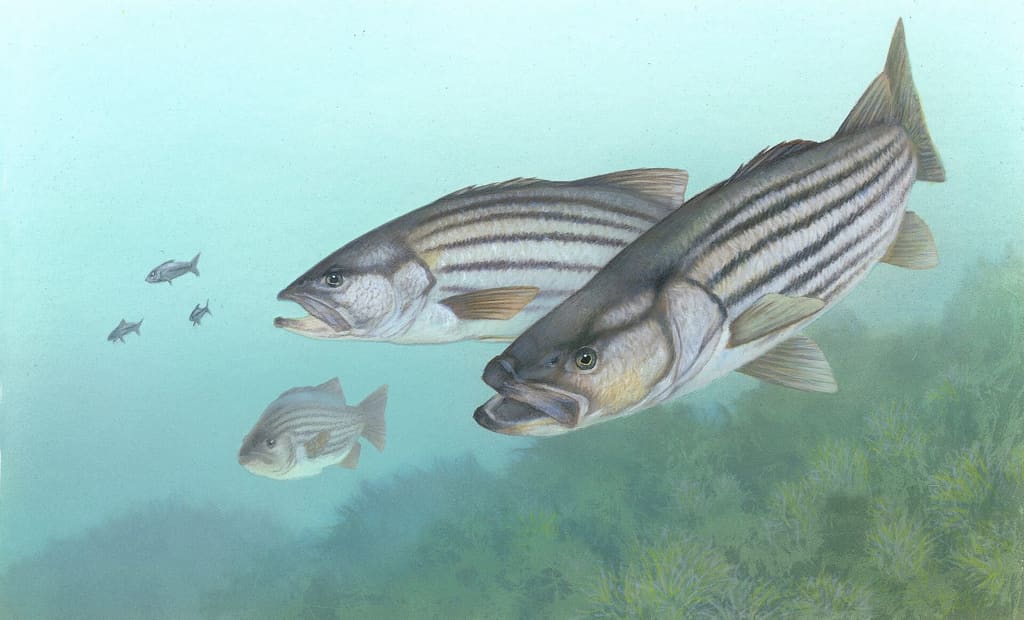
A falling tide pulls water and everything in it out of the marsh and off the flats through creeks, cuts, and channels. This concentrates bait into predictable funnels, and gamefish stack up at the mouths of these drains to feed. Outgoing water is often the most productive tide for ambush species like flounder, snook, and striped bass holding on structure.
Slack and Low
At the bottom of the tide, fish retreat to deeper holes, channel edges, and depressions. These low-water spots are worth marking, because they tell you exactly where fish will hold when the flats drain.
Matching Tide to Your Spot
A tide chart only gets useful when you pair it with a specific location. Two things change the math.
- Tidal delay. The published times usually reference an offshore or inlet station. Water takes time to travel up rivers, into bays, and back through marsh. A creek several miles inland can run high or low one to three hours behind the posted inlet time. Note the lag for each spot you fish and keep a mental or written log.
- Depth and access. Some spots only fish well within a narrow window. A backcountry flat may be unreachable at dead low and unfishable at full high. Plan your run so you arrive when the water is right for that specific place, not just when the chart shows a generic high or low.
The best anglers build a personal playbook: this oyster bar fishes the last two hours of the outgoing, that channel edge turns on at the start of the incoming. Over a season, those notes become more valuable than any app.
Putting It Into a Trip Plan
Here is a practical way to plan a tide-driven outing.
- Pull the tide chart for the nearest station and note the times of the high and low.
- Adjust for tidal delay at your actual fishing spot.
- Identify your moving-water windows, the periods one to two hours before and after each tide change.
- Build your route so you are on your best current-dependent spots during those windows, and save deep holes or low-water structure for slack.
- Cross-reference the moon phase so you know whether to expect a strong spring tide or a gentler neap.
Final Thoughts
Tides reward anglers who pay attention. The mechanics are simple, two highs and two lows on a predictable schedule, but the payoff comes from connecting that schedule to your specific water and your target species. Start by fishing the moving water around tide changes, keep notes on how each spot behaves through the cycle, and account for the lag between the posted times and reality. Do that consistently and the tide stops being background noise and becomes the single best tool for putting yourself where the fish are feeding.