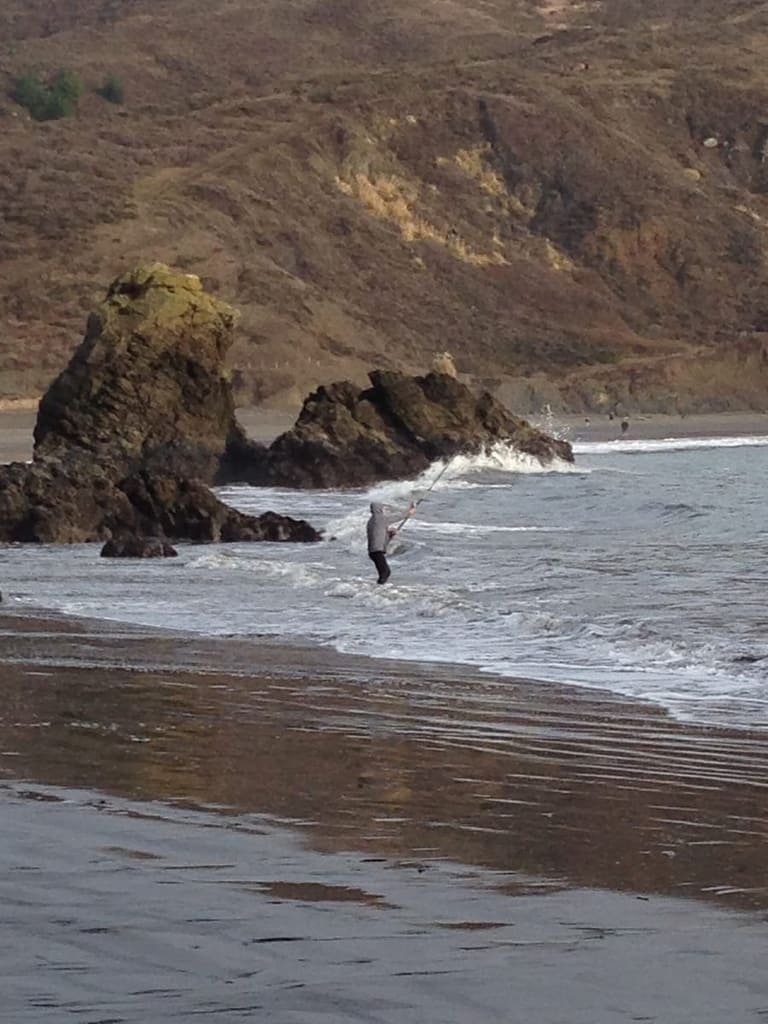
There is a particular kind of confidence that comes from walking onto an empty beach, reading the water, and pulling a fish out of the surf where everyone else just sees waves. Surf fishing rewards that confidence. It does not require a boat, an expensive setup, or insider access. It asks you to understand where fish feed along the shoreline and to put a bait there at the right time.
If you have caught fish from a pier or a pond and want to step up to the open beach, this guide covers the gear, the reading skills, and the tactics that separate a productive session from a long day of casting into dead water.
Reading the Beach Before You Cast
The single most important skill in surf fishing is reading structure. Fish do not roam the surf at random. They follow contours that funnel bait and offer cover, and your job is to find those features at low tide so you know where to fish when the water comes up.
Walk the beach during a falling or low tide and look for:
- Troughs (guts): Deeper channels running parallel to the beach, often visible as darker, calmer water between the breakers. Fish cruise these lanes looking for food.
- Sandbars: Lighter, shallower water where waves break first. Bait collects here, and predators wait on the deep edges.
- Cuts and rips: Breaks in a sandbar where water funnels back out to sea. These are highways for bait and the fish that hunt them.
- Points and structure: Jetties, rock piles, and the corners where a beach changes direction concentrate fish.
A simple rule: cast to the edges, not the middle. The drop-off where a bar meets a trough is where feeding happens.
Choosing the Right Gear
You do not need the most expensive setup, but surf fishing punishes undersized tackle. You are fighting both the fish and the moving water.
Rod and Reel
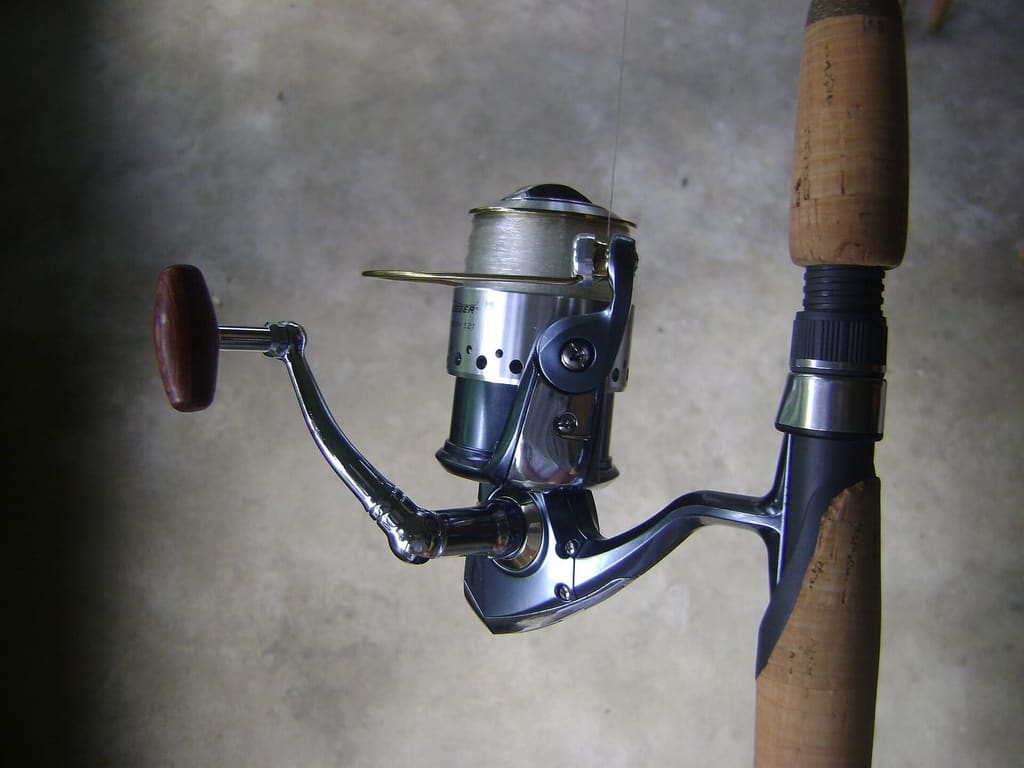
For general beach fishing, a 9 to 12 foot surf rod paired with a 6000 to 8000 size spinning reel covers most situations. The longer rod gets your bait past the breakers and gives you leverage to hold bottom against current. Spool with 20 to 30 pound braid for distance and sensitivity, then add a 30 to 40 pound monofilament shock leader to absorb the snap of a hard cast.
If you are targeting smaller species like pompano or whiting in calmer surf, a 7 to 9 foot rod with a 4000 size reel is plenty and far more fun to fish.
Terminal Tackle
Two rigs handle the majority of surf situations:
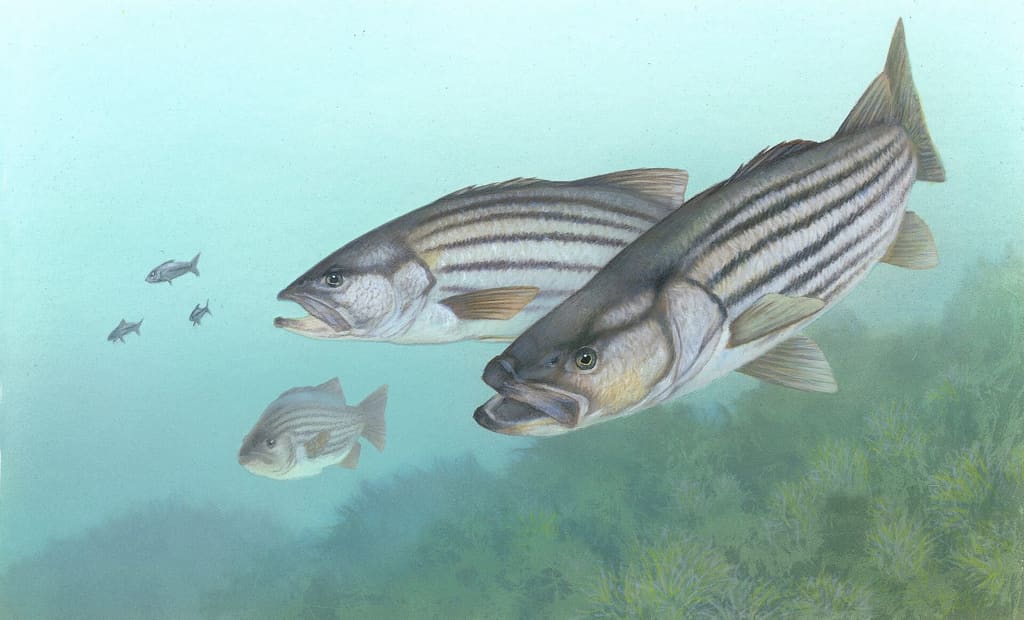
- Fish-finder rig: A sliding sinker above a swivel, then a leader to a single hook. It lets a fish pick up the bait and move without feeling the weight. Ideal for larger species like striped bass, redfish, and sharks.
- Pompano (high-low) rig: Two or three dropper hooks above a pyramid sinker, often with small floats and beads. Excellent for pompano, whiting, croaker, and other panfish-sized targets.
Use a pyramid sinker in soft sand and current to dig in and hold. Switch to a sputnik or breakaway sinker when the current is ripping and a pyramid will not stay put.
Bait and Lures That Produce
Fresh, natural bait is the workhorse of surf fishing. Match it to what is actually living in the local sand and water.
- Sand fleas (mole crabs): The premier bait for pompano. Dig them right out of the wash where waves recede.
- Fresh shrimp and squid: Tough, cheap, and attractive to nearly everything that swims in the surf.
- Cut bait: Chunks of mullet, menhaden, or bunker for bigger predators. Oily fish release scent that pulls fish in.
- Bloodworms and sand worms: Strong producers in northeast surf for striped bass and others.
Lures earn their keep when fish are actively chasing bait near the surface. Metal spoons and casting jigs let you cover water and reach distance. Bucktails and soft plastic paddletails worked along a trough imitate the baitfish predators are hunting. When you see birds diving or bait flickering, put the bait down and pick up a lure.
Timing the Tide and Light
When you fish often matters more than what you throw. The surf comes alive at predictable moments.
- Moving water beats slack water. The first two hours of a rising tide and the last two of a falling tide push bait around and trigger feeding. Dead high and dead low are usually slow.
- Dawn and dusk are prime. Low light gives predators an ambush advantage and pulls them into shallow water close to shore.
- Right after a storm the churned, oxygenated water and dislodged bait can produce excellent fishing once the surf settles enough to fish safely.
Plan to be on the beach as the tide starts moving during a low-light window, and you have stacked the odds heavily in your favor.
Working the Water and Setting the Hook
Once your bait is out, do not just plant the rod and forget it. Active surf anglers catch more fish.
- Cast to the edge of a trough or the down-current side of a cut, then let the bait soak.
- If nothing happens in 15 to 20 minutes, reel in, check your bait, and move along the beach. Covering ground finds active fish faster than waiting on dead water.
- Keep your line relatively tight so you can feel the bite. Many surf takes are subtle taps before the rod loads up.
- With circle hooks, do not jerk to set. Let the fish turn, then reel steadily and lift. The hook finds the corner of the mouth on its own.
Handling Fish and Staying Legal
Surf species range from small panfish to powerful gamefish, and many areas have strict rules to protect them.
Wet your hands before handling fish, support larger fish horizontally, and release anything you are not keeping quickly. If you plan to keep your catch, a stringer or a cooler with ice keeps it fresh in the heat. Pack out every scrap of line, bait packaging, and trash. Clean beaches keep access open for all of us.
Final Thoughts
Surf fishing is a craft you build one trip at a time. Learn to read your local beach at low tide, match your bait to the season, fish the moving water during low light, and stay mobile when the bite is slow. Do those four things consistently and you will start to see the surf not as an empty stretch of waves but as a map of feeding lanes waiting to be worked. Grab your rod, time the tide, and go find them.