Few fish are more welcoming to newcomers than panfish. Bluegill, crappie, and perch live in nearly every pond, lake, and slow river across North America, they bite eagerly, and you can catch them with a few dollars of tackle. If you are new to fishing or teaching a kid the ropes, this is where the fun starts and rarely stops.
The term “panfish” simply means fish small enough to fit in a frying pan. They are abundant, accessible from shore, and willing to hit a baited hook all day long. Learn to read where they hold and what they want, and you can fill a stringer on water that more serious anglers walk right past.
Know Your Three Targets
While people lump them together, bluegill, crappie, and perch have different habits worth understanding.
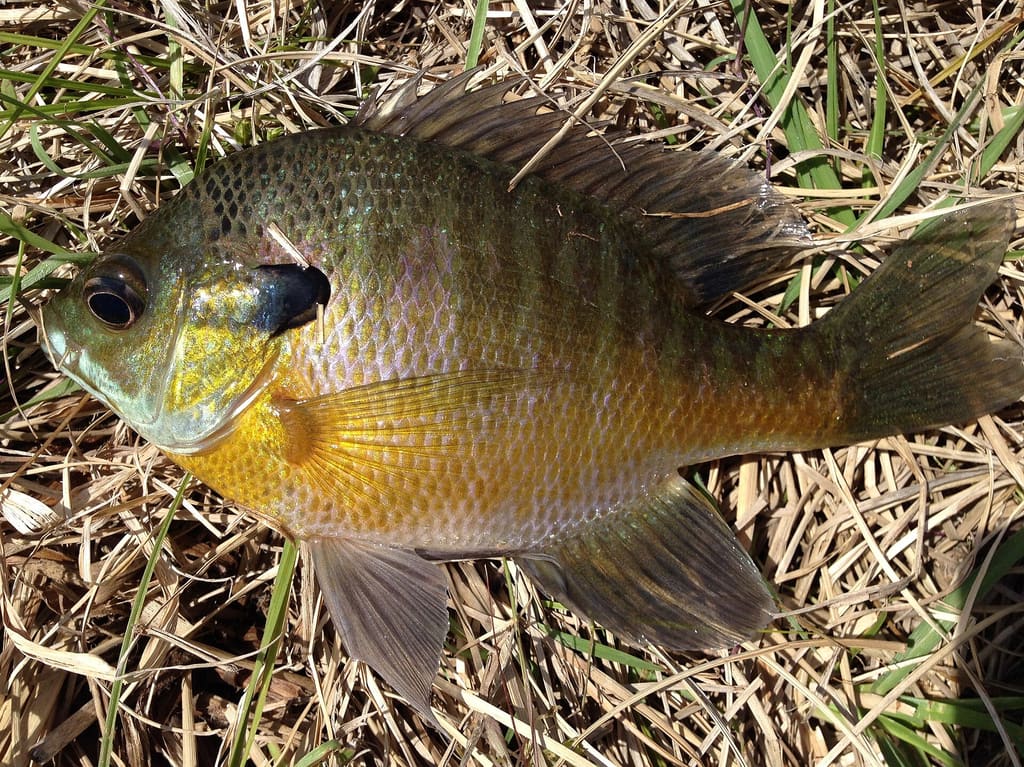
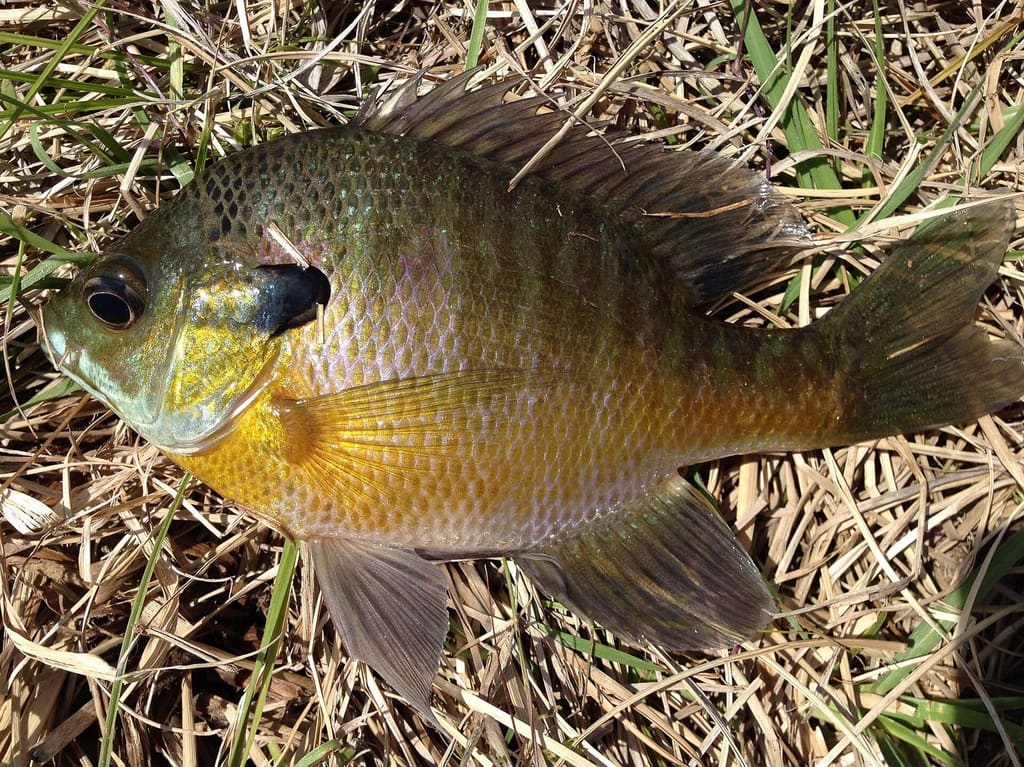
- Bluegill are the classic sunfish: round, flat bodies with a dark ear flap. They hang tight to cover in warm, shallow water and feed on insects, larvae, and tiny crustaceans. They are the most forgiving fish to target.
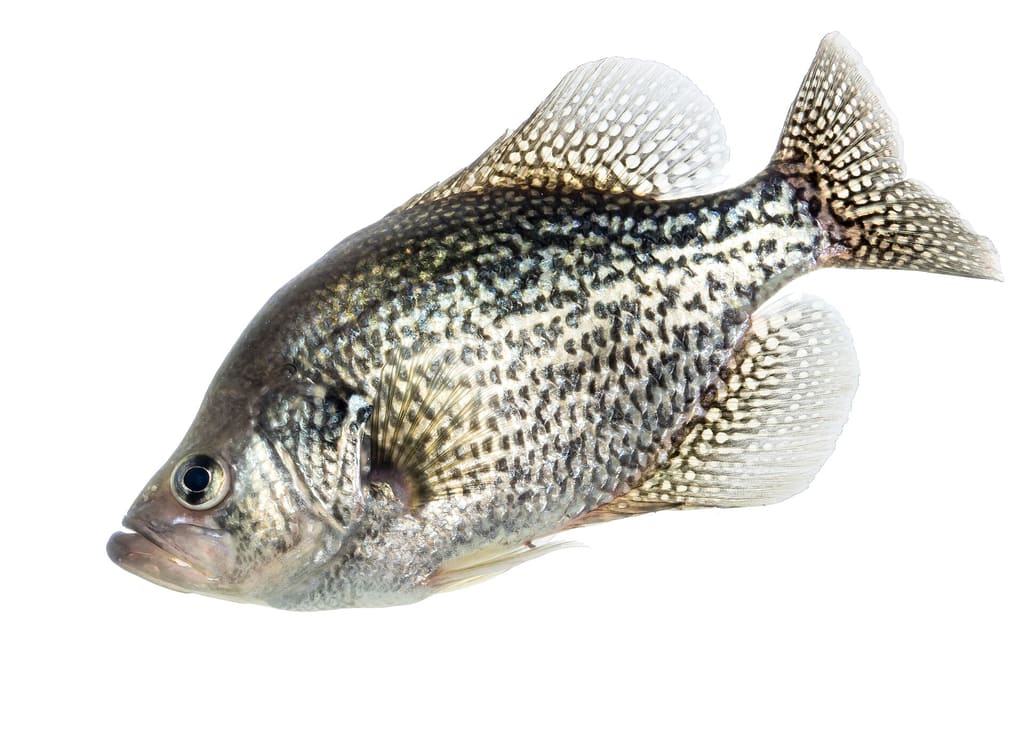
- Crappie (black and white crappie) are taller, silvery, and travel in schools that suspend off structure like brush piles and submerged timber. They feed heavily on small baitfish, which makes tiny jigs and minnows deadly.
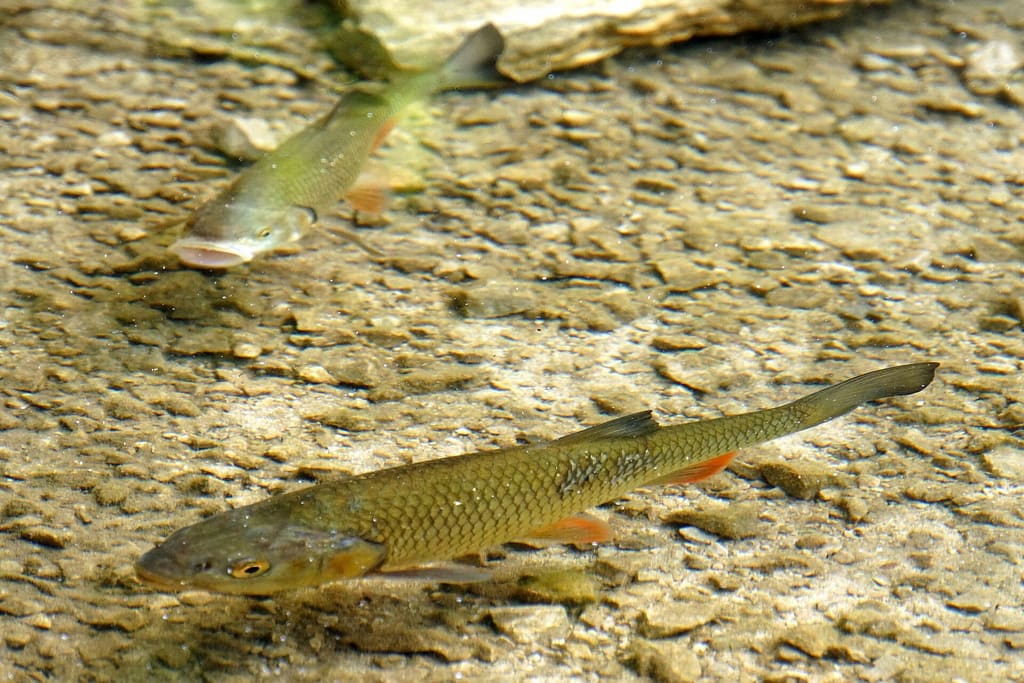
- Yellow perch have golden sides with dark vertical bars. They prefer cooler, cleaner water and roam in schools near the bottom. Where they are present they often bite well in cold weather, including through the ice.
Knowing which species dominates your local water tells you where to look and what to throw.
Simple, Effective Gear
You do not need an expensive setup. A light or ultralight spinning rod from 5 to 7 feet, paired with a small reel spooled with 4 to 6 pound monofilament, covers all three species. Lighter line means better bite detection and more natural bait presentation.
Keep your terminal tackle small. Panfish have small mouths, and oversized hooks cost you fish.
- Hooks: size 6 to 10 for live bait
- Split shot: a couple of small weights to get bait down
- Bobbers: a small clip-on or slip float
- Jigs: 1/32 to 1/16 ounce in white, chartreuse, or black
Bait and Lure Choices
Live bait is hard to beat for beginners because it does the work for you.
- Nightcrawlers and red worms are the universal panfish bait. Pinch off a small piece so the whole thing fits a panfish mouth.
- Crickets and mealworms are excellent for bluegill.
- Small minnows under a float are the top crappie producer and also tempt big perch.
If you prefer artificial lures, small jigs tipped with a soft plastic body or a curly tail grub are the go-to. A 1/32 ounce jig under a bobber, twitched slowly, mimics the small prey all three species hunt. Tiny inline spinners and micro crankbaits also draw aggressive strikes.
Where to Find Them
Panfish relate to cover and structure. Find the cover, and you usually find the fish.
Bluegill
Look shallow, especially in spring and summer. Target docks, fallen trees, weed edges, lily pads, and overhanging brush. In late spring they fan out circular spawning beds in shallow sandy or gravel areas, and you can sometimes see dozens of beds clustered together. That is the easiest fishing of the year.
Crappie
Find the brush. Crappie suspend around submerged timber, brush piles, standing timber, and dock pilings, often a few feet off the bottom rather than on it. In spring they move shallow to spawn, then pull back to deeper structure as water warms. Count your jig down to different depths until you find the level where they are holding.
Perch
Perch roam, so cover water until you locate a school. They favor the bottom near drop-offs, weed lines, and gravel or sand flats. Once you catch one, work that spot hard, because where there is one perch there are usually many.
Reading the Bite and Setting the Hook
Panfish bites are often light. With a float, watch for the bobber to twitch, dip, or move sideways, not just plunge under. With a jig, you may feel only a subtle tick or notice the line jump.
When you detect a bite, do not yank. A short, firm lift of the rod tip is enough to set a small hook. Crappie in particular have thin, papery mouths, so a gentle hookset and steady pressure keeps you from tearing the hook free. Keep the rod loaded and reel smoothly rather than horsing the fish in.
Best Times and Seasons
You can catch panfish year round, but timing improves your odds.
- Spring is prime time. As water warms into the 60s, bluegill, crappie, and perch move shallow to spawn and feed heavily. This is the easiest season for beginners.
- Summer mornings and evenings beat midday. Fish the shade of docks and weeds during bright afternoons.
- Fall brings another strong feeding window as fish bulk up before winter.
- Winter is perch and crappie season for ice anglers in northern states, using tiny jigs and waxworms.
Handling and Keeping Your Catch
Panfish make outstanding table fare, which is part of their appeal. If you plan to keep some, use a stringer or a livewell and keep only what you will eat. If you are releasing fish, wet your hands first, support the body, and slip a barbless or pinched-barb hook out gently to give the fish the best chance.
Be mindful of the spines on the dorsal fin and gill plates, especially on perch and bluegill. Hold the fish firmly with the spines folded down to avoid a poke.
Final Thoughts
Panfish are the perfect place to build real fishing skill. They reward patience without punishing mistakes, they are everywhere, and they teach you how to read water, present bait, and detect a bite. Grab a light rod, a handful of small hooks and jigs, and a container of worms, then head to the nearest pond or dock. Find the cover, fish small and slow, and you will be catching bluegill, crappie, and perch before you know it. Tight lines.