Walk into any tackle shop and you’ll face the same fork in the road every angler hits: a wall of shiny lures on one side, a tank of wriggling minnows on the other. Both catch fish. Both have die-hard fans who will tell you the other choice is a waste of money. The truth is simpler and more useful: each one shines in specific situations, and a beginner who learns when to reach for which will out-fish someone who blindly sticks to one.
This guide breaks down the real tradeoffs in plain terms, so you can show up to the water with a plan instead of a guess. No magic answers here, just the practical logic experienced anglers use every trip.
The Core Difference
Live bait is a real food source: worms, minnows, leeches, crickets, shrimp, or cut pieces of fish. Fish recognize it by smell, taste, and natural movement, which means it triggers a feeding response with very little skill required from you.
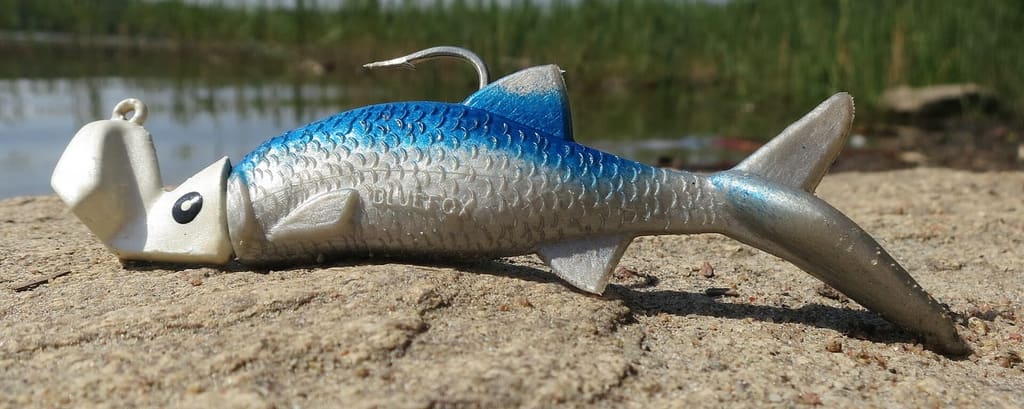
Lures are artificial: hard baits, soft plastics, spinners, spoons, and jigs designed to imitate prey or simply provoke a reaction. A lure only works as well as the angler working it, because you are the one supplying the movement and the convincing presentation.
Put simply, live bait does a lot of the convincing for you. Lures put more of that job in your hands, and in return they give you speed, range, and reusability.
When Live Bait Wins
Live bait is the safer bet when fish are sluggish, pressured, or simply hard to fool. Reach for it in these situations:
- Cold water or tough conditions. When fish are slow and not chasing, a worm or minnow sitting in the strike zone is hard to refuse.
- You are new to a body of water. Bait helps you catch something while you learn the spot, which builds confidence fast.
- Target species feed by scent. Catfish, panfish, and many bottom feeders home in on smell, and nothing beats the real thing.
- Slow, still presentations. Fishing under a bobber or on the bottom with a sinker is forgiving and effective with bait.
- Kids and first-timers. Less casting skill is needed, and the wait often ends in a bite.
The Tradeoffs of Live Bait
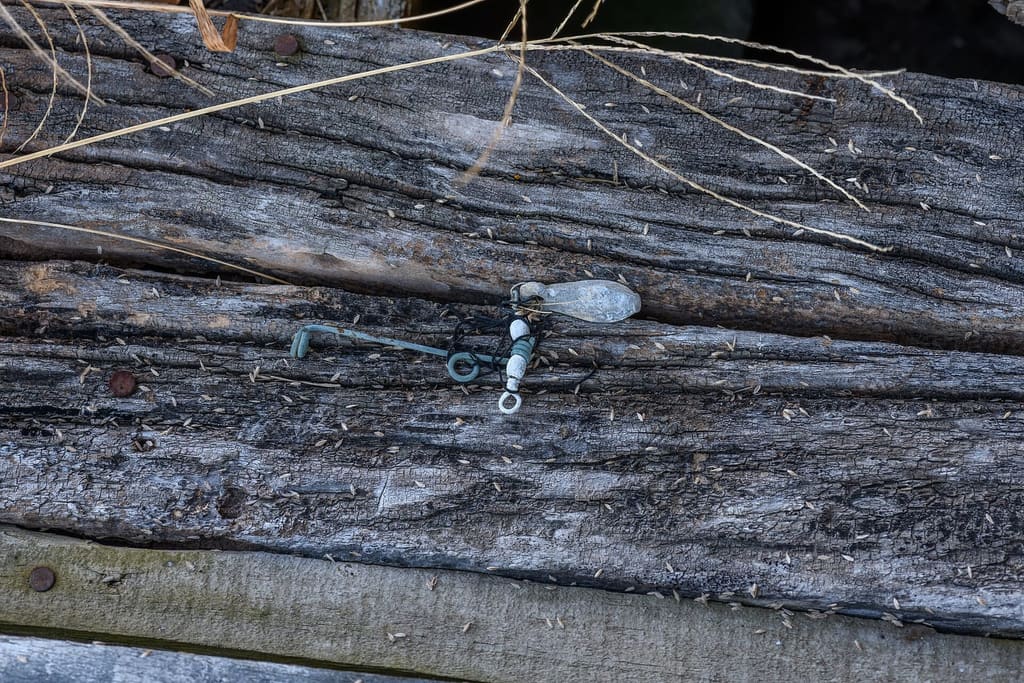
Bait is not free of hassle. You have to buy it or catch it, keep it alive, and rebait after most fish. It can also be too effective at attracting small or unwanted species that strip your hook. Deep-hooked fish are more common with bait, which matters a lot if you plan to release your catch.
When Lures Win
Lures earn their keep when you need to cover water, target active fish, or fish clean for release. Reach for them when:
- Fish are active and feeding. Warm water and low-light periods at dawn and dusk get fish chasing, which is prime lure time.
- You want to cover a lot of water. You can cast, retrieve, and move along a bank quickly to find where fish are holding.
- You are targeting predators. Bass, pike, walleye, and trout often smash a well-worked lure that imitates fleeing prey.
- You plan to release fish. Lures, especially single-hook styles, tend to hook fish in the lip, making release cleaner.
- Convenience matters. A box of lures lives in your bag for months. No tank, no smell, no trip to the bait shop.
The Tradeoffs of Lures
The catch with lures is the learning curve. Retrieve speed, depth, color, and rod action all affect whether a lure looks alive or looks fake. On a slow day, a beginner with lures can go home empty-handed while the bait angler next to them fills a stringer. Lures also get snagged and lost, and quality ones are not cheap.
A Simple Decision Framework
When you are standing on the bank deciding what to tie on, run through these questions:
- Are the fish active or sluggish? Active fish favor lures. Sluggish fish favor bait.
- Do I know this water? Unfamiliar water favors bait while you learn it.
- Do I want to keep moving or sit and wait? Covering water favors lures. Staying put favors bait.
- Am I keeping or releasing? Release-focused trips favor single-hook lures.
- What does my target species eat? Scent feeders favor bait. Chase-prey predators favor lures.
If two or more answers point the same direction, you have your starting choice. Stay flexible and switch if the first hour is slow.
Matching the Choice to Common Species
A few quick rules of thumb for fish many beginners pursue:
- Panfish (bluegill, crappie): Live worms and small minnows are the easy path, though small jigs work great once you get the hang of them.
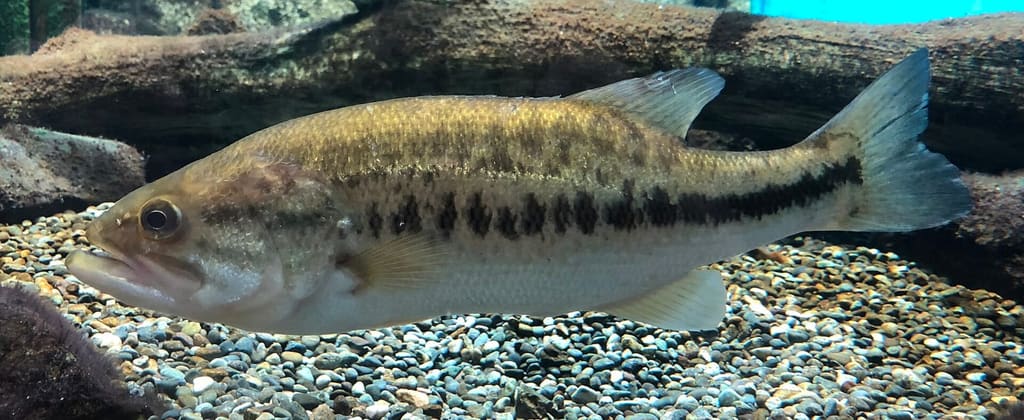
- Largemouth bass: Lures shine here, especially soft plastic worms and crankbaits, but live shiners are deadly on tough days.
- Catfish: Lean hard on bait. Nightcrawlers, cut bait, and stink baits play to their incredible sense of smell.
- Trout: Both work. Live worms and salmon eggs catch stocked trout easily, while spinners and small spoons take active fish in moving water.
- Walleye: A live minnow or leech on a jig is a classic combo that blends the best of both worlds.
That last point is worth repeating: you do not have to choose sides. Tipping a jig with a piece of live bait combines the action of a lure with the scent of the real thing, and it is one of the most productive beginner techniques out there.
Building Your First Setup
You do not need to commit fully to either camp. A smart beginner kit carries a little of both: a small container of hooks, split shot, and bobbers for bait days, plus a handful of versatile lures like soft plastic worms, a couple of inline spinners, and a small crankbait. That combination lets you read the day and adapt.
Start with bait when you want a near-guaranteed bite and a confidence boost. Practice lures on the days when fish are active and you can afford to experiment. Over a season, you will develop an instinct for which one the conditions are asking for.
Final Thoughts
Lures versus live bait is not a battle with a winner. It is a toolbox decision. Live bait does the convincing for you and rarely lets you down when fish are tough, while lures let you cover water, target predators, and release fish cleanly. Learn the conditions that favor each, keep a little of both in your bag, and you will catch more fish on more days than any one-method angler ever will. The best choice is simply the one that matches what is happening on the water that day.