The Carolina rig is one of the most dependable ways to put a bait in front of bottom-feeding fish, and it earns its place in nearly every serious bass angler’s tackle box. By separating the weight from the bait with a leader, it lets a worm or creature bait drift naturally just off the bottom while you cover water and feel everything happening below.
If you have already fished a Texas rig, the Carolina rig will feel familiar but more versatile. It excels in deeper water, on points, along ledges, and across flats where you need to drag a bait slowly and let it tell you what the bottom is made of. Here is how to tie one correctly, plus the small adjustments that separate a clean, snag-resistant rig from a frustrating mess.
What You Need
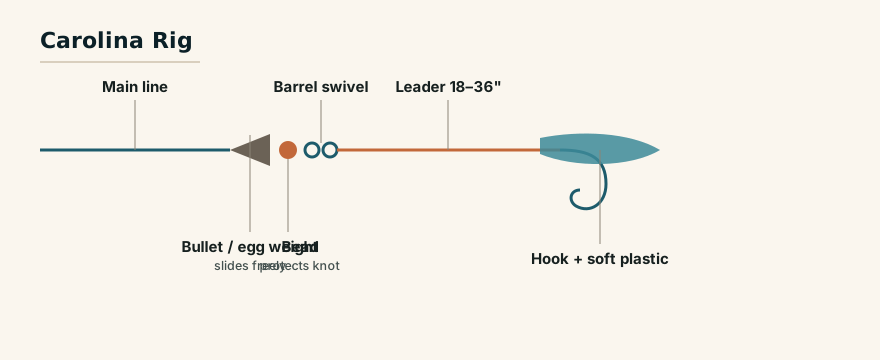
A Carolina rig has five core parts. Get the components right and the knots become easy.
- Main line: 12 to 20 lb fluorocarbon or braid on a medium-heavy to heavy rod.
- Egg or bullet sinker: 1/2 oz to 1 oz is standard. Heavier weights help you feel bottom in deep water or current.
- Glass or brass bead: one bead protects your knot and adds a clicking sound that can attract fish.
- Barrel swivel: a small size 7 or 10 swivel separates the weight from the leader and reduces line twist.
- Leader and hook: 12 to 36 inches of fluorocarbon leader with an offset worm hook (typically 3/0 to 5/0).
Step-by-Step: Tying the Carolina Rig
Take your time the first few times you tie this. Once the sequence is in your hands, you can rebuild a rig streamside in under two minutes.
- Slide on the weight. Thread your main line through an egg or bullet sinker. If using a bullet sinker, point the tapered nose toward your rod tip so it slides through cover.
- Add the bead. Slide a glass or brass bead onto the line behind the weight. The bead cushions the swivel knot and creates sound when the weight bumps it.
- Tie on the swivel. Connect the main line to one end of the barrel swivel using a Palomar or improved clinch knot. Cinch it down with a wet knot and trim the tag.
- Attach the leader. Tie your leader line to the other end of the swivel with the same knot. Choose your leader length based on how high you want the bait to ride.
- Tie on the hook. Finish the leader with a Palomar knot to your offset worm hook.
- Rig your bait. Texas-rig a soft plastic on the hook so it sits weedless, or use an exposed hook on open bottom for better hooksets.
Choosing the Right Leader Length
Leader length is the most important variable you control, and it changes how the bait behaves.
- Short leaders (12 to 18 inches): keep the bait close to the bottom. Use these in cold water or when fish are hugging structure.
- Medium leaders (18 to 24 inches): a reliable all-around choice for most conditions.
- Long leaders (24 to 36 inches): let buoyant baits float higher and move more freely. Use these over grass, scattered cover, or when fish suspend just off the bottom.
A floating worm or a creature bait with a little buoyancy works especially well on longer leaders because it rises up off the substrate during pauses, right into a cruising fish’s window.
Picking Weights and Baits
The weight does two jobs: it gets you to the bottom and it transmits feel. Heavier is not always better, but in deep water or wind you need enough mass to stay in contact with the bottom.
- 1/2 oz: shallow water, calm conditions, finesse presentations.
- 3/4 oz: the workhorse for most depths and a great default.
- 1 oz and up: deep structure, current, or windy days when you must feel the bottom.
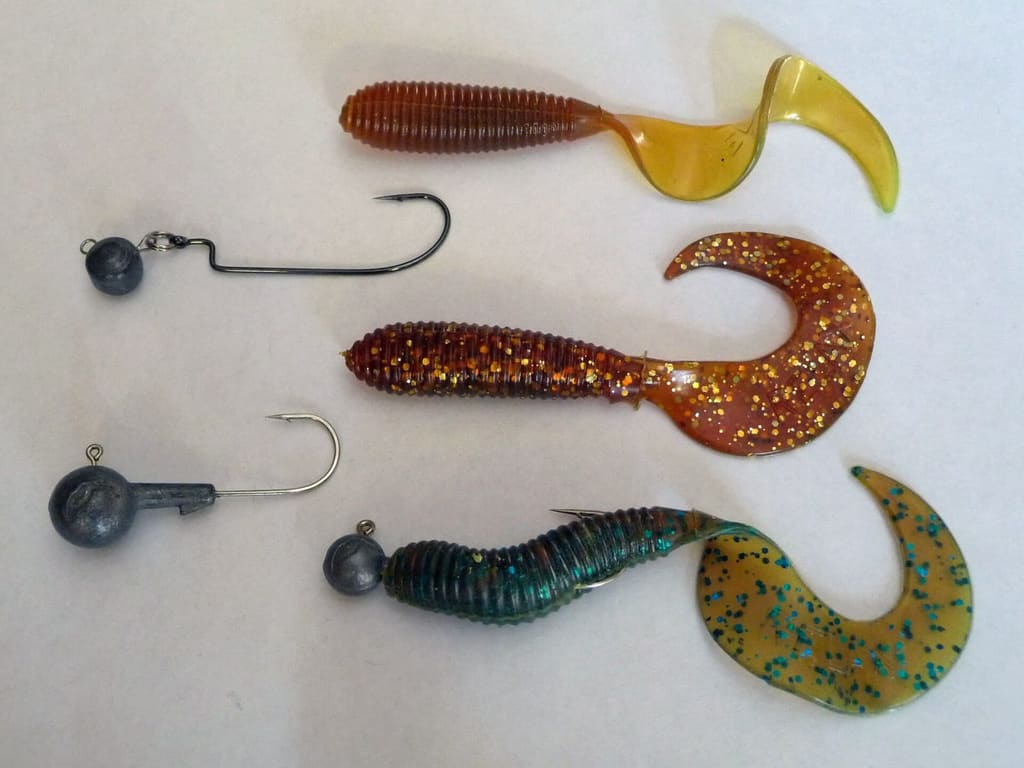
For baits, lean on soft plastics that move on the drop and the pause: lizards, creature baits, ribbon-tail worms, and flukes all shine. Brass weights paired with glass beads produce a sharper click than lead and tungsten against plastic, which some anglers swear adds attraction in clear water.
How to Fish It
A Carolina rig is a dragging and feeling presentation, not a hopping one. The goal is to keep the weight in contact with the bottom while the bait trails behind.
- Cast and let it sink. Wait until your line goes slack and the weight hits bottom.
- Drag, do not hop. Pull the rod slowly and steadily to the side, moving the weight across the bottom rather than lifting it.
- Reel up slack. Lower the rod tip back toward the water and reel in the slack line.
- Pause and read. Stop often. Most strikes come on the pause as the bait settles. Pay attention to changes in bottom feel like gravel turning to mud or a sudden hard spot.
- Set the hook with a sweep. Because of the leader and the stretch in the system, use a strong side sweep rather than a hard upward snap.
Common Mistakes to Avoid
- Skipping the bead. Without it, the weight can chip or fray your swivel knot over time.
- Too short a rod. A 7 foot or longer medium-heavy rod gives you the leverage to move a long rig and sweep a solid hookset.
- Fishing it too fast. The Carolina rig rewards patience. If you are hopping it like a jig, slow down and drag.
- Ignoring line twist. A quality barrel swivel matters. A cheap or sticky swivel will let your leader twist and tangle.
Final Thoughts
The Carolina rig is a thinking angler’s tool. It covers water, telegraphs the bottom, and presents a bait with a natural, drifting motion that pressured fish find hard to ignore. Master the simple sequence of weight, bead, swivel, leader, and hook, then experiment with leader length and weight until the rig matches the day. Tie a few before your next trip, slow your retrieve down more than feels natural, and let the bottom tell you the story.
.jpg)