The ocean can feel intimidating when you are just starting out. The water is bigger, the fish pull harder, and the gear list looks longer than what you used at the local pond. The good news is that catching your first saltwater fish does not require a boat, expensive tackle, or insider knowledge. With a simple rod, a handful of rigs, and a spot where the land meets the sea, you can be reeling in fish by the end of your first outing.
This guide walks you through everything a beginner needs: where to fish, what gear to buy, the rigs that actually catch fish, and the habits that keep you safe and legal. Read it once, then go put it to use.
Where to Fish From Shore
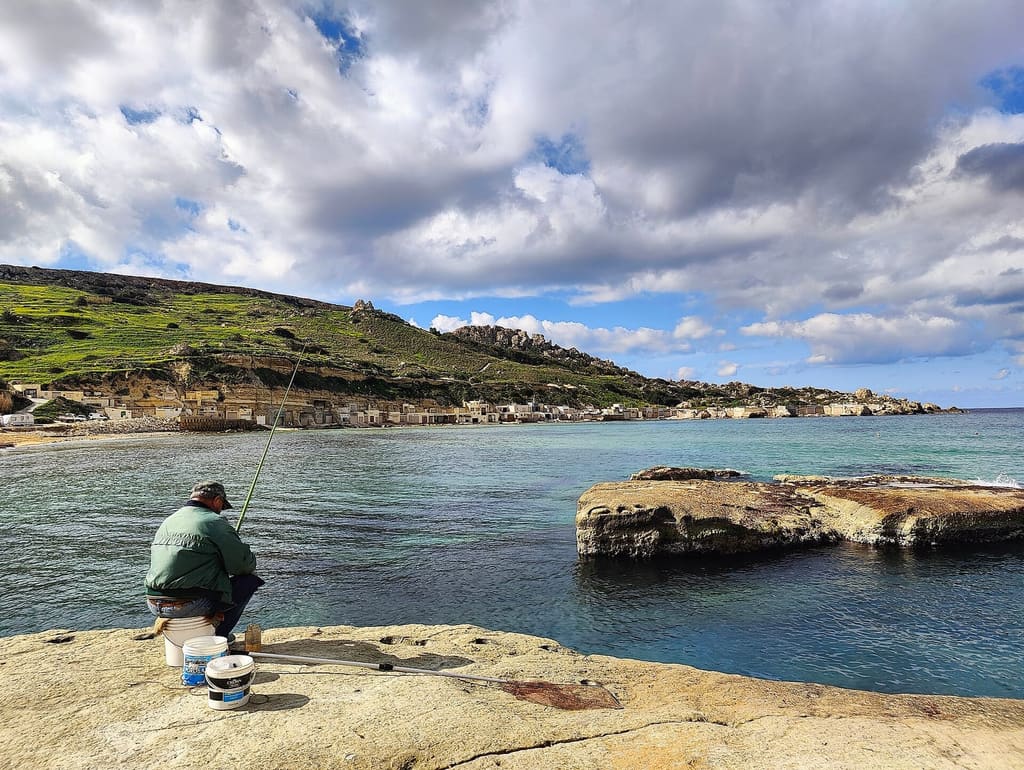
You do not need a boat to catch saltwater fish. Some of the most productive water is within casting distance of dry land. Beginners should start at one of these spots:
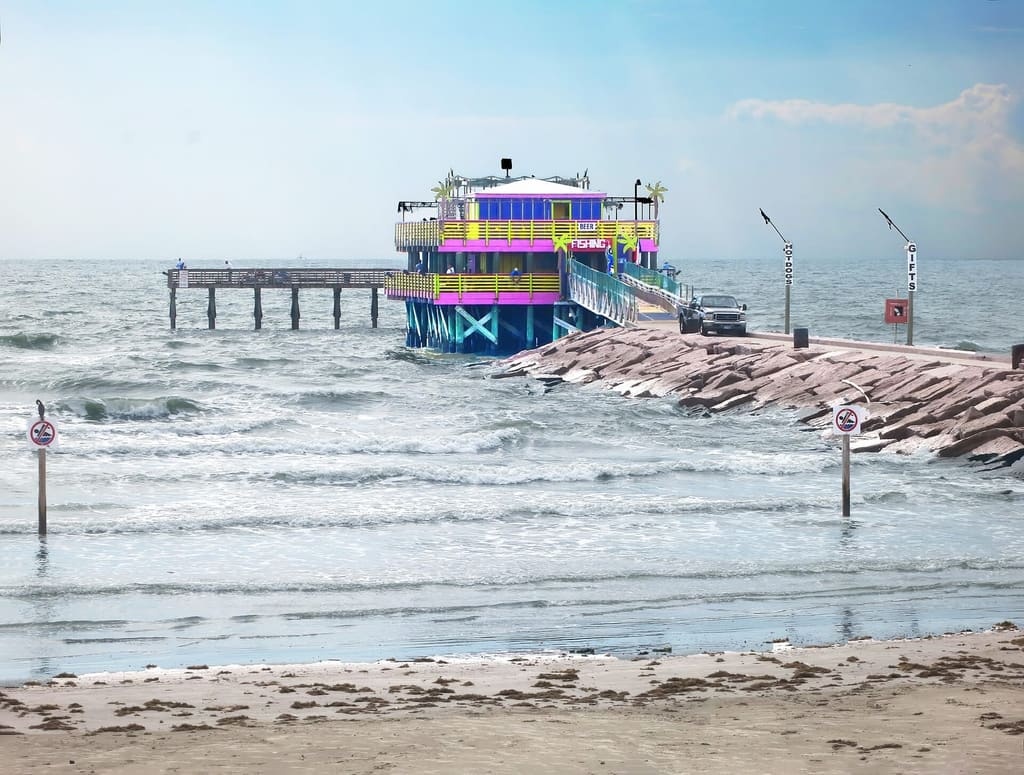
- Piers and jetties. These structures attract baitfish, which attract bigger fish. Many piers have cleaning stations, rod holders, and regulars who are happy to share advice.
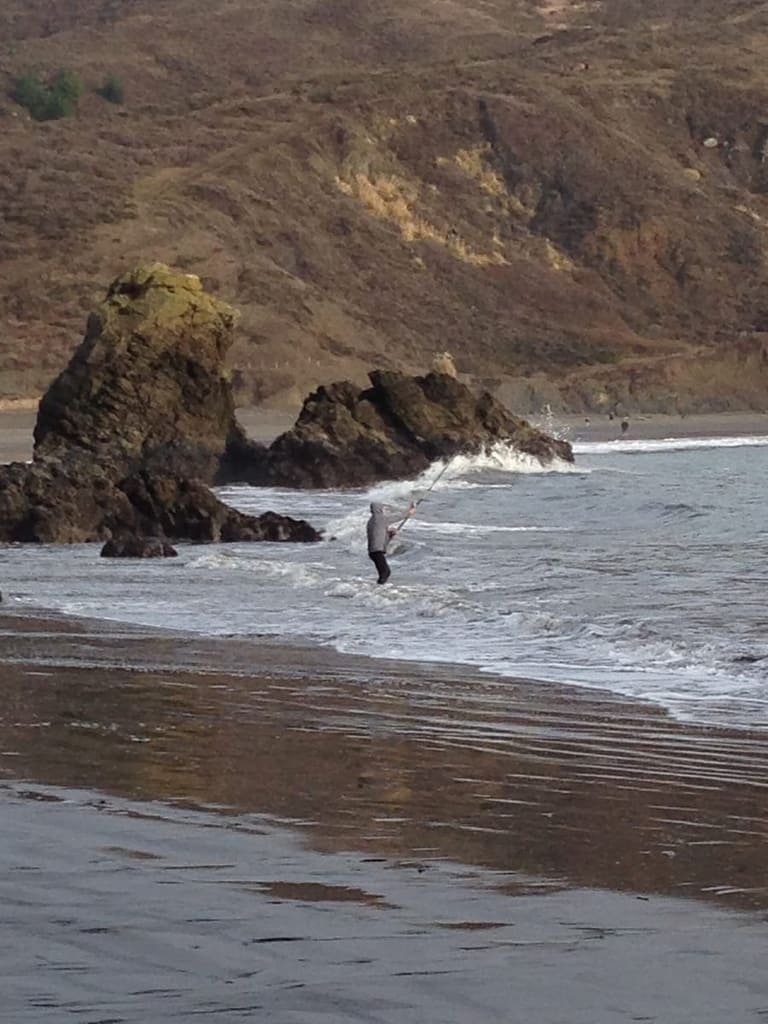
- Surf and beaches. Fish cruise the troughs and sandbars looking for food churned up by the waves. Look for deeper cuts and darker water between sandbars.
- Inlets and channels. Where bays meet the ocean, moving water funnels bait and predators together. These spots fish best on a moving tide.
- Bridges and bulkheads. Shaded edges and current breaks hold fish, especially around dawn and dusk.
Tides matter more than almost anything else in saltwater. Fish feed most actively when water is moving, so plan to fish the two hours before and after a high or low tide rather than the slack period in between.
Beginner Gear That Works
Keep it simple. A single versatile setup will handle most inshore and surf situations.
- Rod: A 7 to 9 foot medium or medium-heavy spinning rod. Longer rods help you cast farther from the beach.
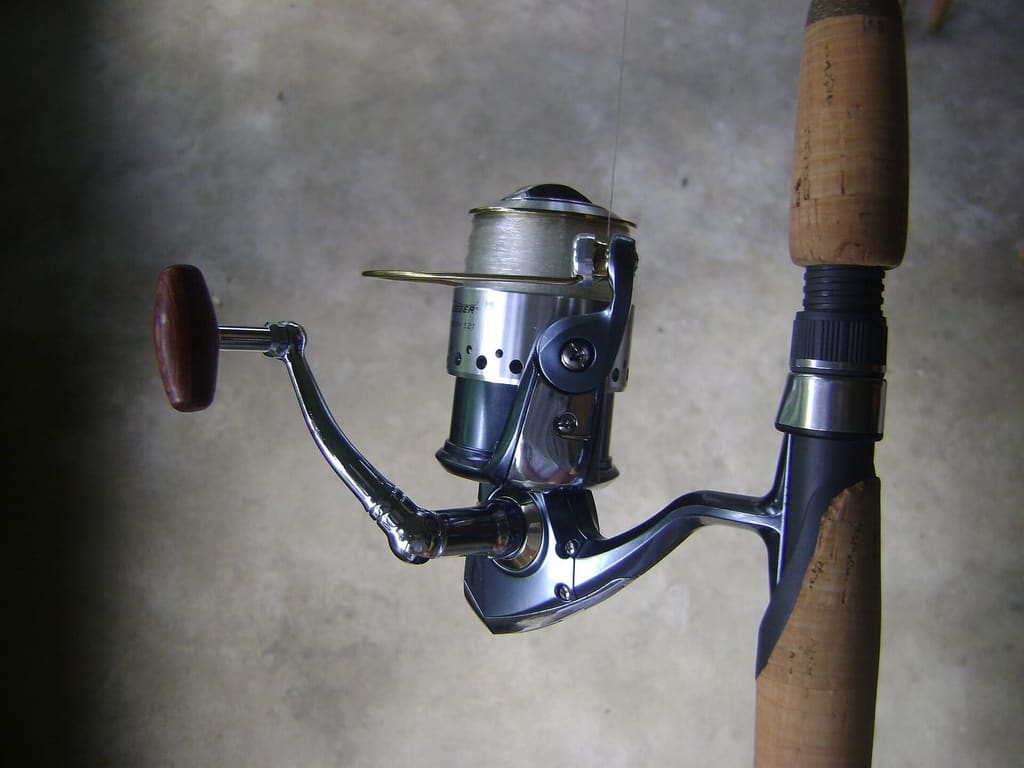
- Reel: A 4000 to 6000 size spinning reel. Saltwater corrodes cheap gear fast, so buy a reel rated for saltwater use.
- Line: Start with 20 to 30 pound braided line, or 15 to 20 pound monofilament if you want something more forgiving and easier to manage.
- Leader: A length of 20 to 40 pound monofilament or fluorocarbon between your main line and hook. This resists abrasion from teeth, sand, and structure.
For terminal tackle, pick up an assortment of circle hooks (sizes 1/0 to 5/0), pyramid sinkers in 2 to 4 ounce weights for the surf, swivels, and a few popular lures.
Bait and Lures
Live or fresh bait is the easiest path to success for a beginner. Fish are drawn to the smell and movement of natural food.
- Shrimp is the universal saltwater bait. Almost everything eats it.
- Cut bait such as mullet, squid, or bunker works well in the surf for larger species.
- Sand fleas dug from the wet sand are deadly for pompano and other surf fish.
If you prefer lures, start with a few proven shapes:
- Soft plastic jigs on a lead jighead, bounced along the bottom.
- Spoons that flash and wobble, great for fast casting and covering water.
- Topwater plugs worked at dawn for an exciting surface strike.
Match your bait to what is naturally present. If you see small baitfish flickering near the surface, a shiny spoon or jig that imitates them will outfish a random choice.
Simple Rigs to Learn First
You only need two rigs to start catching fish. Both are easy to tie and forgiving of mistakes.
The Fish-Finder Rig
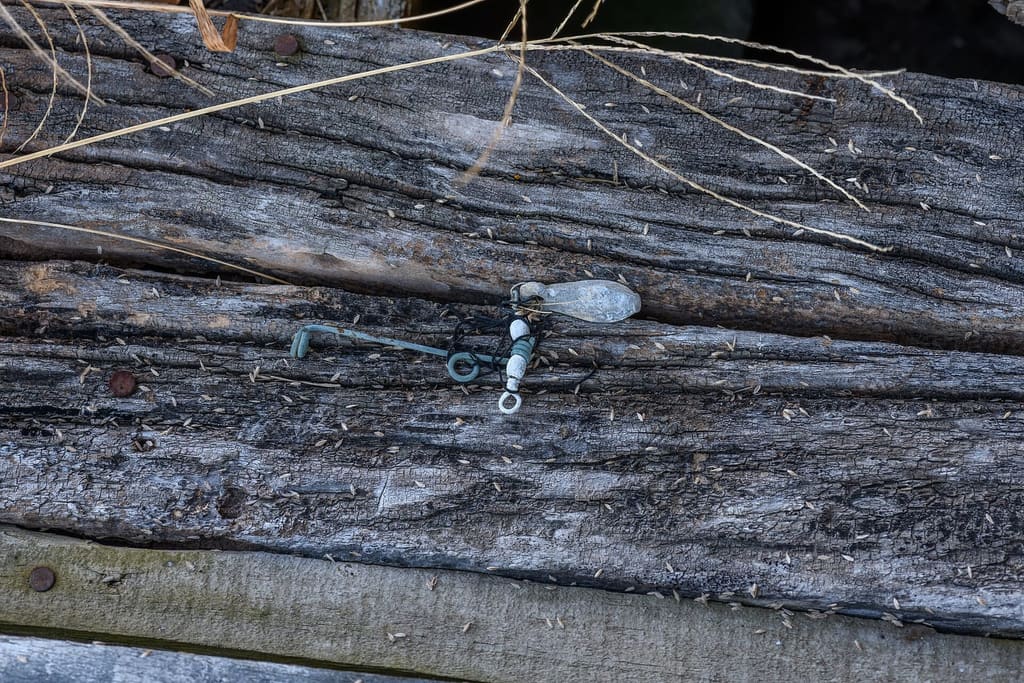
This is the workhorse of surf fishing. Slide a sinker slider onto your main line, tie on a swivel, add a 2 to 3 foot leader, and finish with a circle hook. The weight holds your bait on the bottom while the sliding design lets a fish run with the bait without feeling resistance.
The High-Low Rig
Also called a double-drop rig, this presents two baited hooks at different depths off a single line, with the sinker on the bottom. It is excellent off piers and in the surf because it doubles your chances and helps you learn what depth the fish are holding at.
Reading the Water and Setting the Hook
Saltwater fish relate to structure and current the same way freshwater fish do. Learn to spot the features that concentrate them.
- Color changes in the surf mark deeper troughs where fish travel.
- Birds diving signal baitfish being pushed to the surface by feeding predators. Cast there immediately.
- Current seams where fast and slow water meet are ambush zones for predators.
When a fish bites, resist the urge to yank. With bait and circle hooks, let the rod load up and start a smooth, steady retrieve. The hook will find its place on its own. Keep your rod tip up and the line tight as you fight the fish, letting the drag do the work on stronger runs.
Safety and Regulations
The ocean demands respect. A few habits keep your first trips fun instead of dangerous.
- Never turn your back on the surf, and watch the waves on jetties, which can be slippery and unforgiving.
- Wear non-slip footwear and consider sun protection, water, and a basic first aid kit.
- Handle fish carefully. Many saltwater species have sharp spines, teeth, or gill plates. Use pliers to remove hooks.
Final Thoughts
Saltwater fishing rewards anglers who keep it simple and pay attention. Start from shore, fish a moving tide, use fresh bait on a basic rig, and learn a little more each trip. You will lose some tackle to snags and miss a few bites while you build your feel for it, and that is part of the process. Get out there, stay safe, follow the rules, and enjoy the pull of your first saltwater fish.