Walk into any tackle shop and the wall of reels can feel overwhelming. But almost every choice comes down to one fork in the road: spinning reel or baitcasting reel. Pick the right one for how you actually fish, and the gear gets out of the way so you can focus on catching. Pick the wrong one, and you spend the day fighting your own equipment.
This guide breaks down both reel types in plain language, shows you which one fits a beginner best, and gives you a simple way to match a reel to the fishing you plan to do.
How the Two Reels Actually Differ
The core difference is where the spool sits and how the line comes off it.
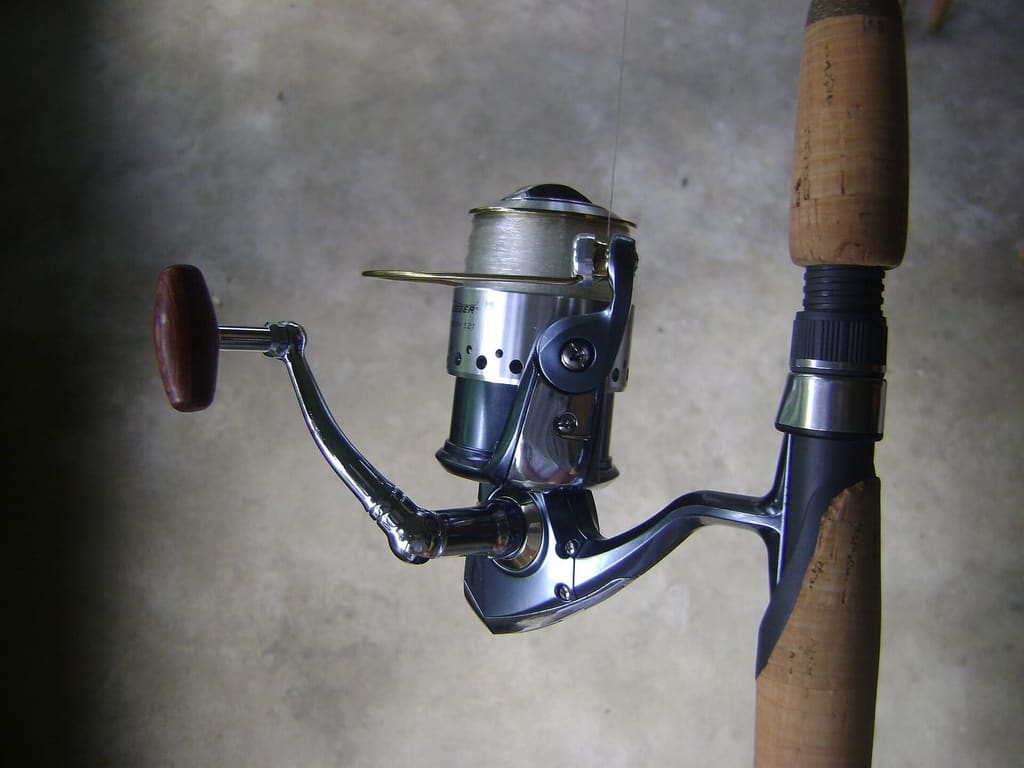
A spinning reel hangs below the rod, and its spool is fixed and faces forward. When you cast, line peels off the front of the spool in loose coils. There is no spinning part racing against your cast, which makes spinning reels very forgiving.
A baitcasting reel sits on top of the rod, and its spool rotates as line pays out. When you cast, the weight of your lure pulls line off a spinning spool. That direct setup gives you more control and power, but it also means the spool can spin faster than the line leaves it, which creates a tangle called a backlash or a bird’s nest.
In short: spinning reels are easier, baitcasting reels are more precise once you learn them.
Spinning Reels: The Beginner’s Friend
If you are new to fishing, a spinning reel is almost always the right starting point. It handles light lures and light line beautifully, it casts well in wind, and the learning curve is short. Most kids’ combos and starter setups are spinning gear for good reason.
What spinning reels do well:
- Cast light lures and baits, from tiny jigs to small soft plastics
- Resist tangles, so you spend less time picking out knots
- Handle light line in the 4 to 10 pound range with ease
- Work for a huge range of species, from panfish and trout to bass and inshore saltwater fish
Where they fall short:
- Less casting accuracy when you need to drop a lure into a tight pocket
- Line twist can build up over time if you reel against the drag
- Less raw cranking power for hauling big fish out of heavy cover
Baitcasting Reels: Power and Precision
Baitcasting reels reward practice. Once you can control the spool, you get pinpoint casting accuracy, the ability to throw heavier lures long distances, and the cranking power to pull big fish away from logs, docks, and weeds. Serious bass anglers, musky hunters, and many saltwater anglers lean on baitcasters for these reasons.
What baitcasters do well:
- Drop lures exactly where you want them with practice
- Handle heavy line and big lures without strain
- Provide strong, smooth drag and gearing for fighting large fish
- Let you feather the spool with your thumb for soft, quiet presentations
Where they fall short:
- A real learning curve, including backlashes while you dial things in
- They struggle with very light lures under roughly a quarter ounce
- Higher cost for a quality reel that casts cleanly
Taming the Backlash
Every baitcaster has two adjustments that prevent overruns: the spool tension knob, usually on the handle side, and the braking system. Start with both set high so the spool resists spinning, make short casts, and loosen them gradually as you get comfortable. The most important skill is using your thumb to lightly touch the spool as the lure lands. That thumb control is the whole game.
Matching the Reel to Your Fishing
The best reel is the one that fits the lures you throw and the fish you chase. Use this as a quick guide:
- Panfish, trout, and small lures. Choose a spinning reel. Light line and tiny baits are exactly its strength.
- All-around bass fishing as a beginner. Start with spinning gear, then add a baitcaster once you want more accuracy with bigger lures.
- Heavy cover, big lures, big fish. Choose a baitcasting reel for the power and control.
- Inshore saltwater like redfish or speckled trout. Spinning reels are popular and dependable here, especially for casting into wind.
- Flipping, pitching, and frog fishing. A baitcaster shines for these close, accurate techniques.
If you only buy one reel to start, make it a medium-size spinning reel matched to a medium-power rod. It will cover more situations than any other single setup.
What to Look For When You Buy
No matter which type you choose, a few features matter more than the brand on the side:
- Smooth drag. The drag is what protects your line when a fish runs. Turn it by hand in the store; it should release line in a steady pull, not jerky stutters.
- Reel size. Spinning reels use numbers like 1000, 2500, and 4000, where smaller numbers mean lighter line and smaller fish. A 2500 to 3000 size is a great all-around starting point.
- Gear ratio. A number like 6.2:1 tells you how many times the spool turns per handle crank. A mid-range ratio around 6:1 handles most situations well.
- Build quality. A few quality ball bearings and a sturdy body beat a long bearing count on a flimsy frame. Spend a little more on the reel than the rod if you have to choose.
A Simple First-Trip Setup
For most beginners, here is a setup that just works: a 2500 size spinning reel spooled with 8 pound monofilament or 10 to 15 pound braid with a short leader, mounted on a 7 foot medium-power rod. This combo casts light to medium lures, handles everything from bluegill to bass, and forgives the mistakes everyone makes while learning.
Spend an afternoon casting in a backyard or park before you fish. Practicing the bail flip, the drag feel, and a smooth casting motion on dry land will make your first real trip far more enjoyable.
Final Thoughts
There is no universally best reel, only the best reel for the angler and the water in front of them. Spinning reels get beginners catching fish fast with the least frustration, while baitcasting reels reward the practice you put in with accuracy and power. Start with a quality spinning setup, learn how line, drag, and casting feel in your hands, and add a baitcaster when your fishing pushes you toward it. The right reel should disappear into the background, leaving you to enjoy the part that matters: the bite.