Bottom fishing is where most of us started, and for good reason. You put a baited hook near the bottom, where fish do a lot of their feeding, and you wait for the bite. It is simple, it works on nearly every species that swims, and you can do it from a bank, a pier, a kayak, or a boat. No expensive boat or specialized gear required.
But “simple” does not mean “thoughtless.” The difference between an angler who catches steadily and one who goes home empty usually comes down to a few small choices: the right rig, the right amount of weight, and a little patience reading the bottom. Get those dialed in and bottom fishing becomes one of the most dependable ways to put fish on the line.
Why Fish the Bottom
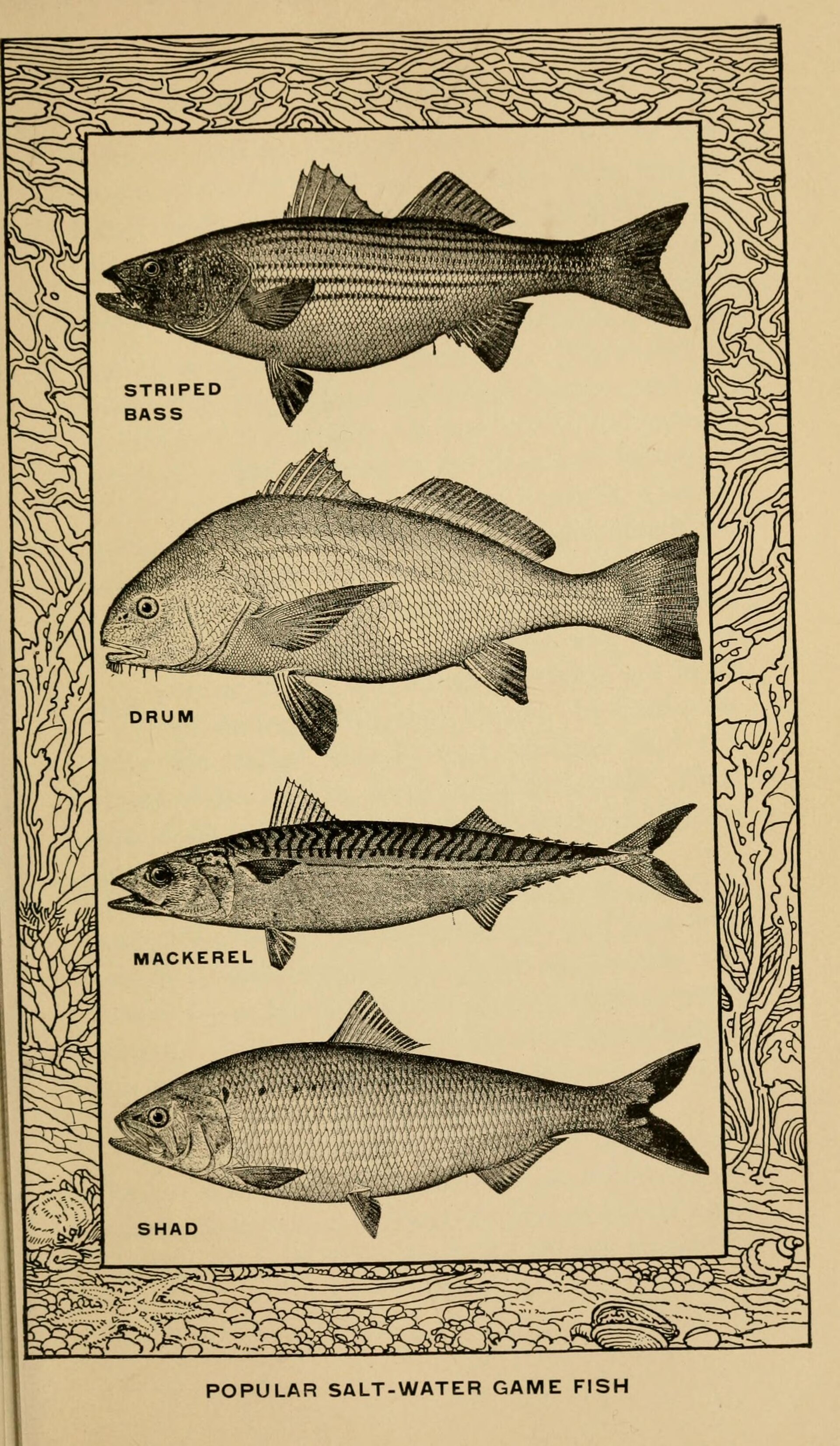
Most freshwater and saltwater species spend a large part of their day feeding on or near the bottom. Catfish, carp, panfish, walleye, flounder, snapper, redfish, and countless others root around in mud, gravel, and structure looking for crabs, worms, crawfish, baitfish, and anything else they can grab.
Presenting your bait down where the fish already are is a high-percentage move. You are not asking the fish to chase a lure or come to the surface. You are putting a meal right in its path and letting nature take over.
Gear You Actually Need
You do not need much to get started. A medium spinning combo handles the majority of bottom fishing situations, from bluegill to channel catfish.
- Rod and reel: A 6.5 to 7 foot medium or medium-heavy spinning rod with a matching reel is a great all-around choice. Heavier surf or saltwater setups come into play for big species or long casts.
- Main line: 10 to 20 pound monofilament is forgiving and easy to handle. Braid gives you better bite detection and casting distance if you want it.
- Hooks: Carry a range of sizes. Size 6 to 1 for panfish and smaller species, 1/0 to 5/0 for catfish, carp, and saltwater fish. Circle hooks are excellent for bottom fishing because they tend to hook fish in the corner of the mouth on their own.
- Weights: Egg sinkers, bank sinkers, split shot, and pyramid sinkers each have a place. More on those below.
- Swivels and beads: Small barrel swivels prevent line twist, and a plastic bead protects your knot from the sliding weight.
Three Bottom Rigs Every Beginner Should Know
You can catch fish all season long with just these three rigs. Learn to tie them at home until your hands know the steps.
The Carolina (Sliding Sinker) Rig
This is the workhorse of bottom fishing. The weight slides freely on your main line, so when a fish picks up the bait it feels little resistance and is less likely to drop it.
- Slide an egg sinker onto your main line.
- Add a small bead below the sinker.
- Tie the main line to one end of a barrel swivel.
- Tie a leader (12 to 24 inches) to the other end of the swivel.
- Tie your hook to the end of the leader.
Use it for catfish, carp, redfish, and most situations where you want a natural presentation.
The Fish Finder Rig
A close cousin of the Carolina rig, the fish finder uses a sliding sinker slide (a plastic clip that holds the weight) instead of threading the sinker on the line. It makes swapping weights fast and is a staple of surf and pier fishing with pyramid sinkers that grip sand.
The Dropper Loop (Bottom) Rig
Here the hook sits above the weight on a loop of line, which keeps your bait off the bottom and visible. It shines in current and around rocky bottoms where a dragging bait would snag.
- Tie a sinker to the very bottom of your line.
- Tie one or two dropper loops a foot or so above the weight.
- Attach a hook to each loop.
This is a favorite for saltwater bottom species like snapper and porgy, and it works great for panfish too.
Choosing the Right Weight
Weight is the most common thing beginners get wrong. Too little and your bait drifts away from the strike zone or never reaches bottom in current. Too much and you kill bite sensitivity and snag constantly.
- Still water (ponds, lakes): Use the lightest weight that still lets you cast where you want. A 1/4 to 1 ounce egg sinker covers most of it.
- Moving water (rivers, tides): Use enough weight to hold bottom. Bank sinkers and no-roll sinkers resist current.
- Surf and sand: Pyramid sinkers dig in and hold against waves.
- Rocky or snaggy bottom: Consider a lighter weight tied on a short, lighter “sacrificial” dropper so you only lose the sinker, not the whole rig, when you snag.
Bait and Presentation
Match your bait to your target. Nightcrawlers and red worms are nearly universal. Cut bait, chicken liver, and stinkbait call in catfish. Shrimp, squid, and cut fish are saltwater staples. Corn and dough baits tempt carp and stocked trout where legal.
Hook your bait so it stays on during the cast but still looks natural. Thread worms onto the hook with a little tail left dangling. Hook live baits lightly so they keep moving. With cut bait, leave the point exposed for a solid hookset.
Cast out, let the rig settle, then reel up just enough to take out the slack. You want a slight tension on the line so you can feel a bite, but not so much that you drag the bait. Many anglers prop the rod in a holder and watch the rod tip for taps.
Detecting and Setting the Hook
Bites range from a sharp slam to a barely-there tick. Watch your line and rod tip closely.
- With circle hooks, do not swing hard. Simply reel down until the line comes tight and the hook sets itself. A hard yank pulls the hook right out of the fish’s mouth.
- With standard J-hooks, wait until you feel steady weight, then make a firm, sweeping hookset.
- If you miss a bite, leave the bait out there. Fish often come back for a second try.
Common Mistakes to Avoid
- Too much weight. It kills sensitivity and causes snags.
- Leaving slack line. You will miss soft bites entirely.
- Setting too hard on circle hooks. Let the hook do its job.
- Ignoring structure. Fish relate to drop-offs, rock piles, weed edges, and channel bends. Cast to features, not just open water.
- Dull hooks. Touch up or replace hooks often. A sharp hook turns nibbles into landed fish.
Final Thoughts
Bottom fishing rewards patience and a few good fundamentals. Learn the Carolina, fish finder, and dropper loop rigs, carry an assortment of weights and hooks, and pay attention to how your bait sits in the water. Start light, stay in contact with your rig, and let circle hooks do the work. Do that, and you will be catching fish from the bottom on your very next trip, no matter where you fish.