Catching a fish is only half the job. Turning that fish into clean, boneless fillets ready for the pan is a skill every angler should own, and the good news is that it is far easier than it looks. With a sharp knife and a little practice, you can go from whole fish to dinner-ready fillets in just a few minutes.
This guide walks you through the entire process step by step, from the gear you need to the final rinse. Whether you just landed your first bass, trout, or panfish, follow along and you will be filleting with confidence by your next trip.
Gear You Need
You do not need a fancy setup to clean a fish well. A few basic tools make all the difference:
- A sharp fillet knife with a thin, flexible blade (6 to 9 inches is ideal for most freshwater fish)
- A stable cutting surface or dedicated fillet table
- A cutting board you can rinse easily
- A bowl of clean water or a hose nearby
- Paper towels or a clean rag for grip
- A pair of fish-cleaning gloves or a fillet glove for safety (optional but smart for beginners)
The single most important item is a sharp knife. A dull blade slips, tears the meat, and is far more dangerous than a sharp one because it forces you to push hard.
Keep Your Catch Fresh First
The quality of your fillets starts long before the knife comes out. Fish spoil quickly in warm air, so get your catch on ice as soon as possible. A cooler with ice or an ice slurry keeps the meat firm and fresh.
Cold fish are also easier to fillet. Flesh that has been chilled is firmer and holds its shape under the blade, which gives you cleaner cuts and fewer mistakes. If you can, clean your fish the same day you catch them.
Two Ways to Process a Fish
There are two common approaches, and which one you choose depends on the fish and how you plan to cook it.
Gutting and Scaling (Whole Fish)
If you want to cook the fish whole, on the grill or baked, you will gut and scale it rather than fillet it.
- Scale the fish by scraping a knife or scaler from tail to head against the grain of the scales. Do this in water or outdoors, because scales fly everywhere.
- Insert your knife tip into the vent (the small opening near the tail on the belly) and slice forward toward the head, keeping the cut shallow so you do not puncture the guts.
- Open the belly cavity and pull out the entrails. Run your thumb along the spine to remove the dark bloodline.
- Rinse the cavity thoroughly with clean water.
Filleting (Boneless Portions)
Filleting gives you boneless portions and is the most popular method for pan fish, bass, walleye, and trout. The rest of this guide focuses on filleting.
How to Fillet a Fish Step by Step
Lay the fish on its side on your cutting surface with the back facing toward you. Take your time on your first few fish.
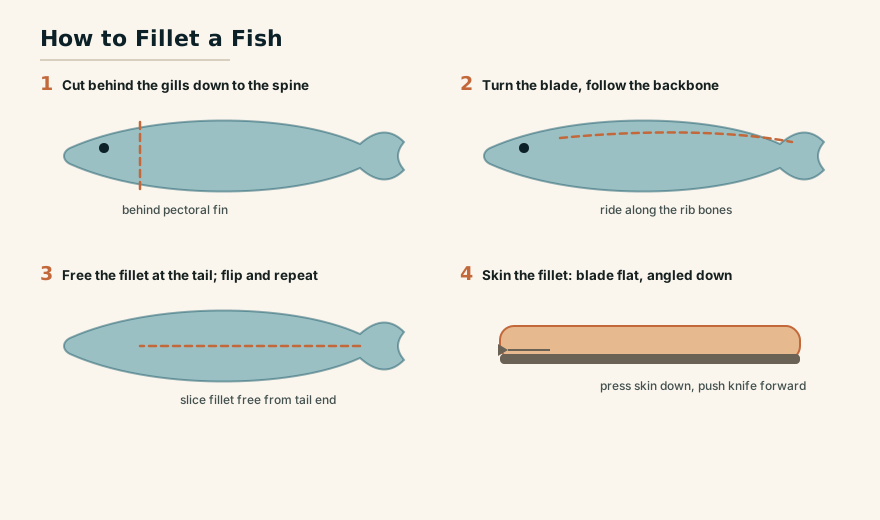
- Make the first cut behind the gills. Angle your knife just behind the pectoral fin and the gill plate, and cut down until you feel the backbone. Do not cut all the way through the spine.
- Turn the blade toward the tail. Pivot your knife so it lies flat against the backbone, then slide it along the spine toward the tail in one smooth motion. Let the bones guide the blade. You want to feel the knife riding along the rib cage and spine.
- Free the fillet. Continue the cut until the fillet separates from the body. On smaller fish you can cut all the way through; on larger fish you may stop near the tail and flip the fillet over to cut from the skin side.
- Flip the fish and repeat on the other side.
The first cut and a steady, flat blade angle are what separate clean fillets from a mangled mess. If you leave a little meat on the bones, do not worry; that comes with practice.
Removing the Rib Bones and Skin
You now have two fillets, but each still has rib bones and skin attached.
To remove the rib bones, lay the fillet flesh side up. Slide your knife under the thin layer of rib bones near the belly and cut them away with a shallow, sweeping motion. Take off as little meat as possible.
To skin the fillet:
- Place the fillet skin side down with the tail end closest to you.
- Make a small cut at the tail end between the meat and the skin, leaving a flap of skin to hold.
- Grip the skin firmly, angle the blade slightly down toward the skin, and slide the knife forward while pulling the skin back the other way. The fillet should peel right off the skin.
Finally, check for any small pin bones by running a fingertip along the fillet. Pull any you find with clean pliers or tweezers.
Cleaning Up and Storing Your Fillets
Rinse each finished fillet briefly in cold water and pat it dry with paper towels. Drying the surface helps it cook and brown better and keeps it from getting waterlogged.
For storage:
- Cook fresh fillets within a day or two if refrigerated, kept on ice or in the coldest part of the fridge.
- To freeze, wrap fillets tightly to remove air, or freeze them in a container of water to prevent freezer burn. Label with the date.
- Clean your knife, board, and work area thoroughly. Raw fish can spread bacteria, so wash everything with hot soapy water.
Final Thoughts
Cleaning and filleting a fish is a hands-on skill, and your first few attempts will not be perfect. That is completely normal. Focus on keeping your knife sharp, your fish cold, and your blade riding along the bones, and every fish will go faster and cleaner than the last. Before long, the whole process will feel like second nature, and you will be enjoying fresher, better-tasting fish than anything you can buy at the store.