Ask ten experienced anglers what knot they tie most often and the Palomar will come up again and again. It is simple enough to learn in a parking lot, strong enough to trust on the fish of a lifetime, and it works with almost every line and lure you are likely to use. If you only commit one knot to memory this season, make it this one.
The reason it earns that trust is in how it is built. The Palomar doubles the line through your hook eye and seats the knot against a loop, which spreads stress evenly and avoids the sharp pinch points that cause weaker knots to fail. The payoff is a connection that holds close to the full rated strength of your line, with very little technique required to get there.
Why the Palomar Is Worth Learning First
Most fishing failures happen at the knot, not the line itself. A poorly tied knot slips or snaps under load, usually right when a good fish is pulling. The Palomar removes most of that risk for beginners because there are very few ways to tie it wrong.
Here is what makes it a smart first knot:
- It retains a very high percentage of line strength when tied and seated correctly.
- It uses the doubled line for extra security at the eye.
- It has only a few steps, so it is easy to tie in low light or cold hands.
- It works for connecting hooks, swivels, snaps, jigs, and many lures.
What the Palomar Works Best With
No single knot is right for every situation, but the Palomar covers a huge range of common rigs. It shines with braided line, where many other knots slip, and it handles monofilament and fluorocarbon well too.
Use it confidently for:
- Tying on hooks for live bait or cut bait rigs.
- Attaching swivels and snap swivels.
- Connecting jigs, spoons, and many crankbaits or hard baits.
- Securing a drop shot hook (with a useful variation covered below).
It is less ideal when the lure eye is very small or the line is very heavy, because you have to pass a loop of doubled line through the eye. If the loop will not pass through twice, choose a different knot rather than forcing it.
How to Tie the Palomar Knot Step by Step
Take your time the first few times. Speed comes naturally once the sequence is familiar.
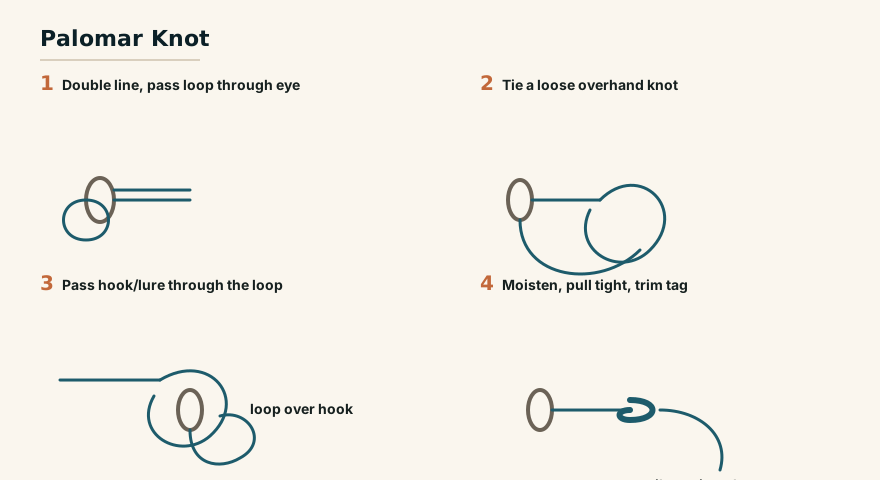
- Double the line. Fold about 6 inches of line back on itself to create a loop, then pass that doubled loop through the hook eye.
- Tie a loose overhand knot. With the doubled line, tie a simple overhand knot, leaving the hook hanging loosely below. Do not tighten yet. Keep the loop open and roomy.
- Pass the hook through the loop. Bring the loop of doubled line down and over the entire hook or lure, passing it completely around the bend and point.
- Moisten the knot. Wet the line with water or saliva before you pull. This reduces friction and heat that can weaken the line.
- Seat the knot. Pull on both the standing line and the tag end to slide the knot down snug against the hook eye. Tighten with steady, even pressure.
- Trim the tag. Clip the tag end close, leaving a small stub of roughly an eighth of an inch.
Common Mistakes to Avoid
Even a forgiving knot has a few pitfalls. Watch for these and your Palomar will rarely let you down.
Skipping the moisten step
Dry-seating is the most common cause of a weakened Palomar. Always wet it first.
Letting the loop tangle on the hook
When you pass the loop over the hook in step 3, make sure it clears the entire hook cleanly. A loop that catches on the barb or wraps oddly will seat into a sloppy, weaker knot. If it looks twisted, back it out and start over.
Not seating fully
The knot should sit tight and clean against the eye, with the doubled wraps snug. If it looks loose or you can see gaps, pull again with even pressure until it locks down.
Cutting the tag too long or too short
A tag stub around an eighth of an inch is plenty. Cut flush and the knot can slip; leave a long tail and it can catch weeds or spook fish.
The Drop Shot Variation
The Palomar has a popular twist for drop shot rigs, where you want the hook to stand out perpendicular from the line with a weight hanging below.
Tie the Palomar as normal, but before seating, run the tag end back down through the hook eye from the top. This makes the hook point ride upward and stand off the line. Then attach your weight to the tag end at the desired distance below the hook. This single adjustment turns a basic Palomar into one of the most effective finesse presentations in freshwater fishing.
Practice and Confidence
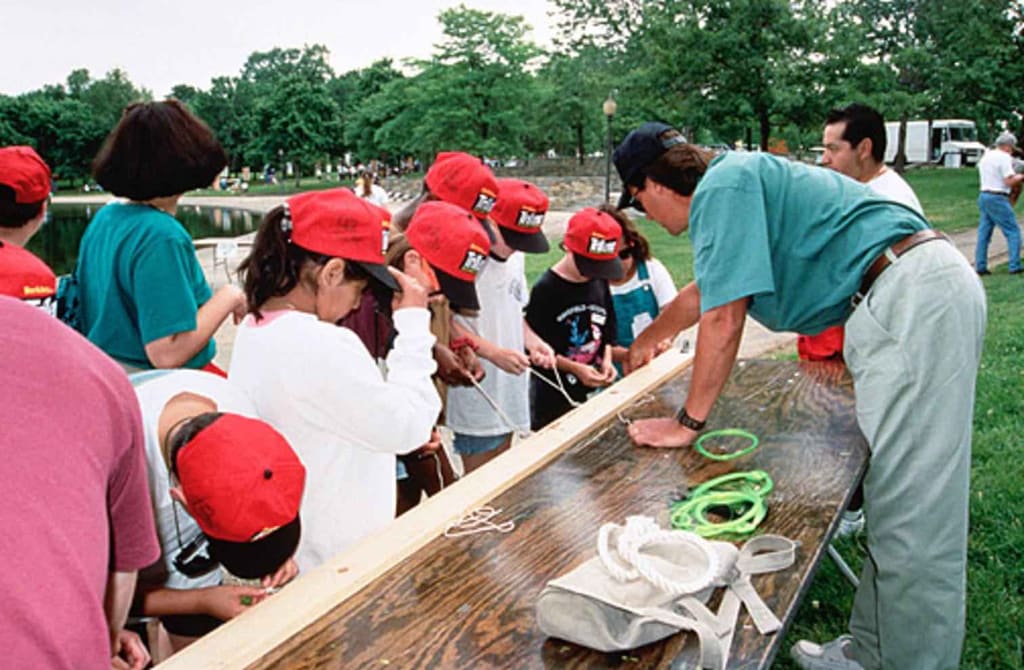
Tying knots well is a hands skill, and like any hands skill it rewards repetition. Spend ten minutes tying Palomars at the kitchen table before your next trip. Build muscle memory so that when a fish is feeding and your hands are wet and cold, the knot ties itself.
Final Thoughts
The Palomar knot is the rare combination of easy and excellent. It asks little of you and gives back a strong, dependable connection on braid, mono, and fluorocarbon alike. Learn it well, moisten it every time, seat it firmly, and you will have a knot you can trust from your first panfish to the biggest fish you ever hook. Tie a few tonight, and it will be ready when it counts.