If you only learn one fishing knot, make it the improved clinch knot. It is the knot most anglers tie first, and many never need another for connecting line to a hook, lure, or swivel. It is quick, dependable, and once your hands know the motions you can tie it in low light or with cold fingers.
The “improved” part matters. The plain clinch knot skips one final step, and that step is what keeps the knot from slipping under the pull of a good fish. Learn it the right way the first time, and you will trust it.
What the Improved Clinch Knot Is Good For
This knot ties a line directly to a terminal item that has an eye, such as a hook, a jig, a spoon, a crankbait, or a swivel. It is a workhorse for everyday fishing.
It shines in these situations:
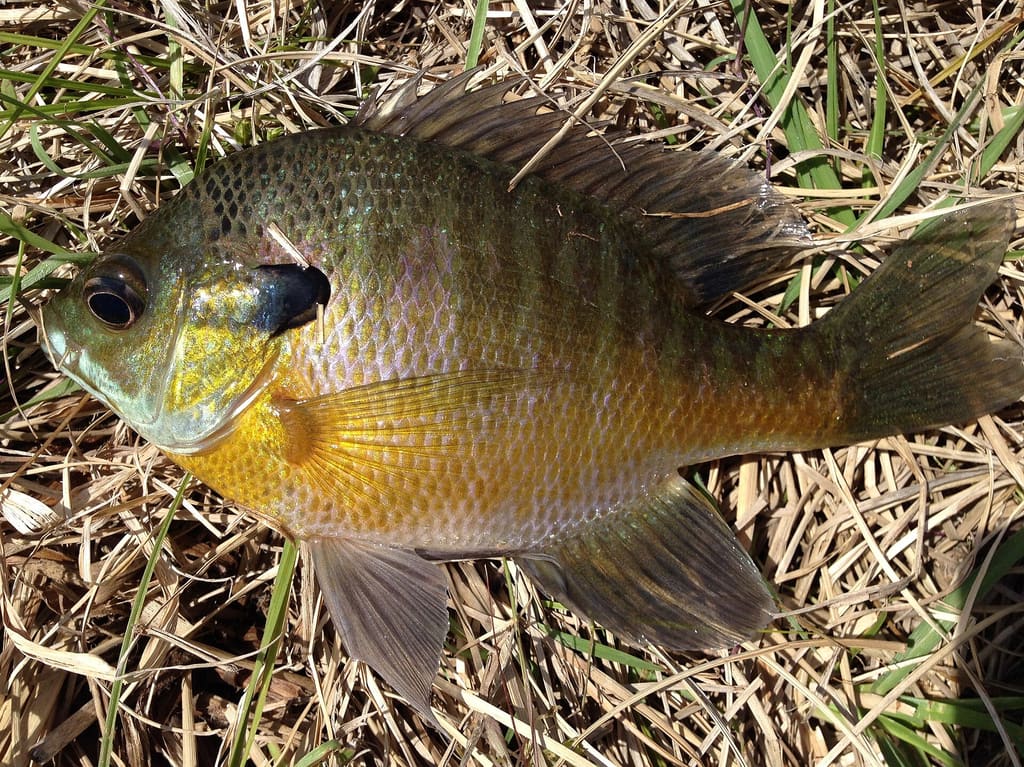
- Tying hooks and lures for panfish, bass, trout, and walleye
- Monofilament and fluorocarbon line in lighter to medium weights
- Quick re-tying when you switch lures or break off
It is not the best choice for everything. Very heavy line and thick braid can be slippery in this knot, and some anglers prefer a Palomar knot for braid. For most beginners fishing mono or fluoro under about 20-pound test, the improved clinch is an excellent default.
What You Need
You only need three things: your rod and reel spooled with line, the hook or lure you want to tie on, and a way to cut line. Nail clippers or a small line cutter work better than teeth and leave a cleaner end.
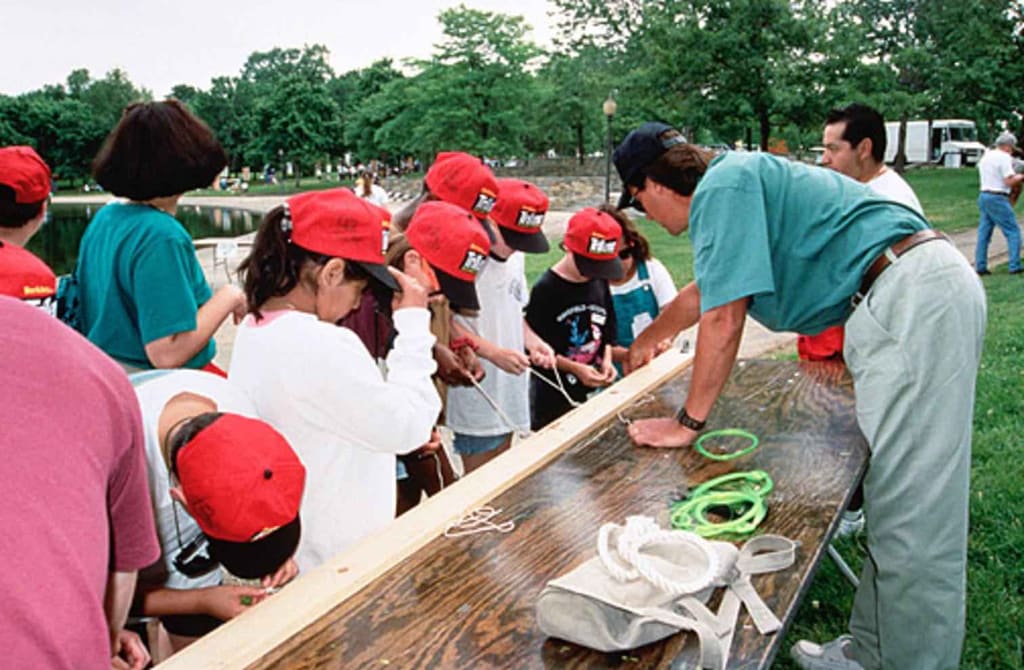
A few minutes of practice at home with a larger hook and heavier line will pay off. Big line and a big eye let you see exactly what each wrap is doing before you try it streamside with light line.
Tying It Step by Step
Take your time the first several times. Speed comes naturally once the sequence is in your hands.
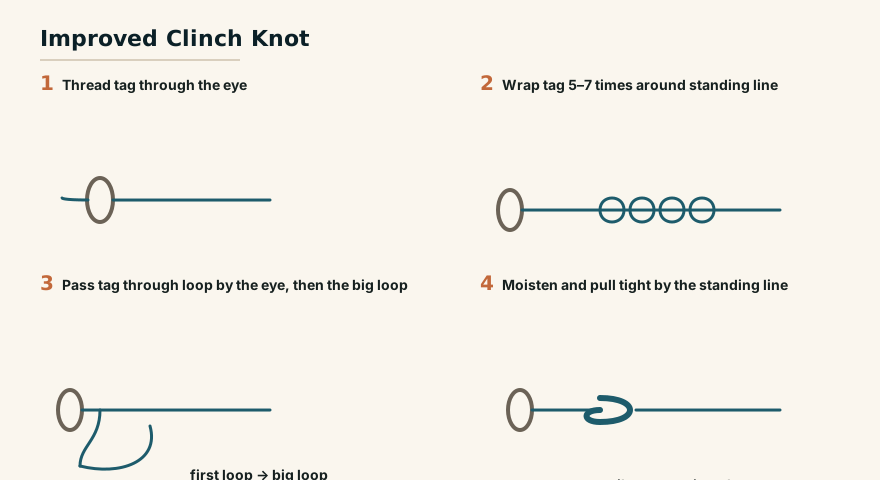
- Thread the line through the eye. Pass the tag end through the hook eye and pull about 6 inches through to give yourself room to work.
- Make your wraps. Hold the standing line and the tag end together, then twist the tag end around the standing line five to seven times. Keep the wraps neat and side by side, not piled on top of each other.
- Find the first loop. Look back toward the hook eye. There is a small loop right above the eye, created by the line entering and exiting. Pass the tag end through that loop.
- Make the improved tuck. This is the step that makes it “improved.” After passing through the small loop near the eye, you now have a larger loop. Pass the tag end back through that larger loop.
- Moisten the knot. A quick touch of saliva or water reduces friction so the wraps seat smoothly instead of burning the line.
- Cinch it down. Pull the standing line slowly and steadily. The wraps will gather and slide down snug against the hook eye. Pull until the knot is tight and the coils are even.
- Trim the tag. Clip the tag end close to the knot, leaving a tiny stub. Do not cut flush, and never nick the standing line with your clippers.
How Many Wraps
Five to seven wraps is the standard range. Lighter line generally takes a few more wraps; heavier, stiffer line takes fewer. As a starting point, use about seven wraps for line under 10-pound test and five for heavier line. If a knot ever fails, add a wrap and try again.
Getting a Clean, Strong Cinch
A knot fails most often because of how it was tightened, not how it was wrapped. Two habits make the biggest difference.
First, always wet the knot before pulling it tight. Dry line generates heat as the coils slide, and that heat weakens the line right where you need it strong.
Second, cinch slowly and watch the coils. You want them to draw down into a neat barrel that sits flush against the eye. If the wraps cross over each other or bunch up, the knot is compromised. Back off, loosen it, and start over rather than fishing a sloppy knot.
Testing Before You Fish
Once the knot is tied and trimmed, give it a firm, steady pull against the hook bend or against the lure. Use a smooth pull, not a sharp jerk. A knot that is going to fail will usually fail here, in your hands, where it costs you nothing.
Check the finished knot for these signs of a good tie:
- The coils are wrapped neatly side by side
- The knot sits tight and square against the eye
- There are no overlapping or crossed wraps
- The tag end is trimmed short but not cut flush
Retie after catching a strong fish, after dragging line over rocks or wood, or any time you see fraying or curling near the knot. Line is cheap; a lost fish is not.
Common Mistakes Beginners Make
Most problems trace back to a handful of habits. Watch for these:
- Skipping the improved tuck. If you stop after passing through the small loop near the eye, you have tied a standard clinch knot, which slips more easily. Always make that final pass back through the large loop.
- Too few wraps on light line. Light line needs enough wraps to grip. If a thin line keeps pulling free, add wraps.
- Tightening dry. Always moisten first.
- Cutting the tag flush. A flush cut can let the knot creep and fail. Leave a small stub.
- Using it on heavy braid. For braid, lean on a Palomar knot instead, which holds slick line better.
Final Thoughts
The improved clinch knot earns its place in nearly every angler’s hands because it is simple, fast, and reliable when tied with care. Thread the eye, make your wraps, pass through the small loop and then back through the large one, wet it, and cinch it slowly. Practice it a dozen times at home with heavy line, and by your next trip your fingers will tie it without thinking. Tie it well, test it before you cast, and retie when in doubt. That habit alone will keep more fish on your line.

.jpg)