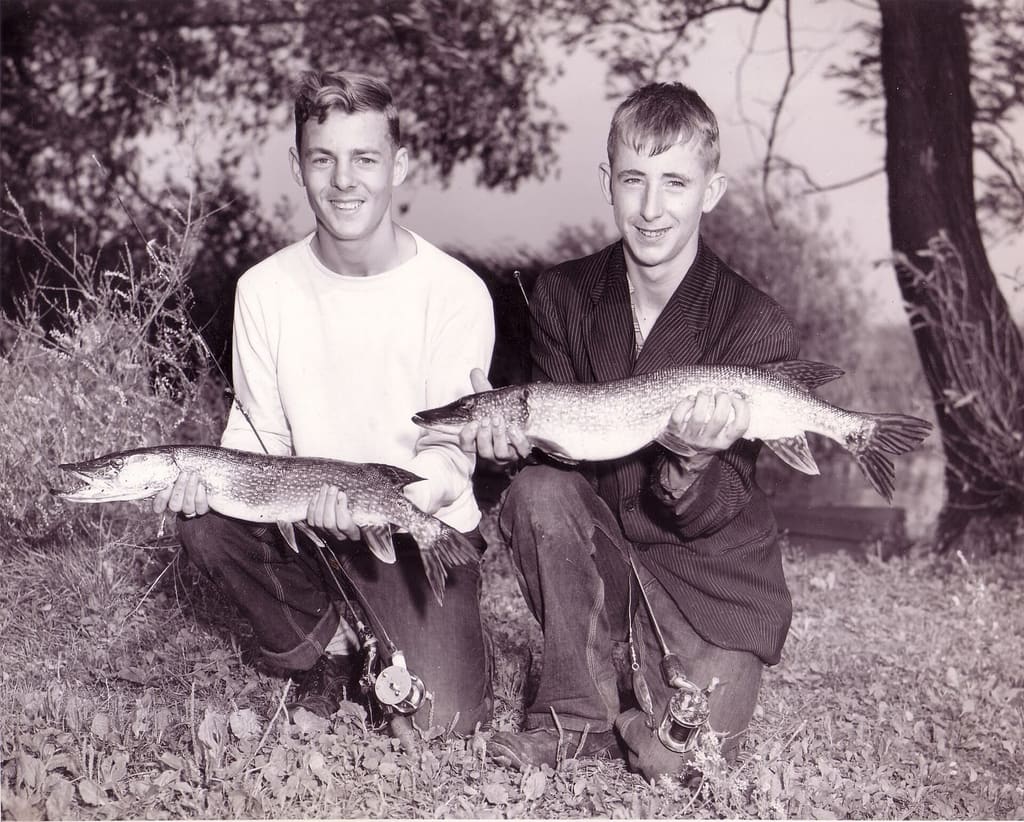
Catch and release is one of the simplest ways to fish responsibly, but releasing a fish is not the same as releasing it alive. A fish that swims off looking fine can still die hours later from stress, exhaustion, or injury you never saw. The good news is that survival comes down to a handful of habits you can learn on your very first trip.
This guide walks you through those habits, from the moment a fish takes your bait to the second it slips back into the water. Get these right and the vast majority of the fish you release will go on to live, grow, and maybe even bite again someday.
Why Catch and Release Goes Wrong
Most release deaths are not caused by the hook. They are caused by what happens after the hook, while the fish is out of water and in your hands. The three biggest threats are stress, suffocation, and physical damage.
A fish fights hard when hooked, which floods its body with lactic acid, much like a sprinter’s muscles after an all-out dash. Pile exhaustion on top of air exposure and rough handling, and you push the fish past what it can recover from. Almost every best practice below exists to reduce one of these three threats.
Land the Fish Quickly
A long, drawn-out fight feels exciting, but it exhausts the fish and lowers its odds of survival. Use tackle that matches your target species so you can bring the fish in efficiently instead of playing it to total exhaustion on gear that is too light.
- Set your drag properly so you can apply steady pressure.
- Reel the fish in with purpose rather than letting it run repeatedly.
- Avoid fishing in water that is too warm, where oxygen is low and fish recover poorly.
Keep the Fish Wet and Calm
Air exposure is one of the most damaging and most underestimated parts of the whole process. A fish breathes by passing water over its gills, and out of water those delicate gill filaments collapse and stick together, like a wet paintbrush pulled from a glass.
- Keep the fish in the water as much as possible while you remove the hook.
- If you must lift it, aim for under 10 seconds of air exposure, then return it to the water to breathe.
- Wet your hands before touching the fish so you do not strip away its protective slime coat, which guards against infection.
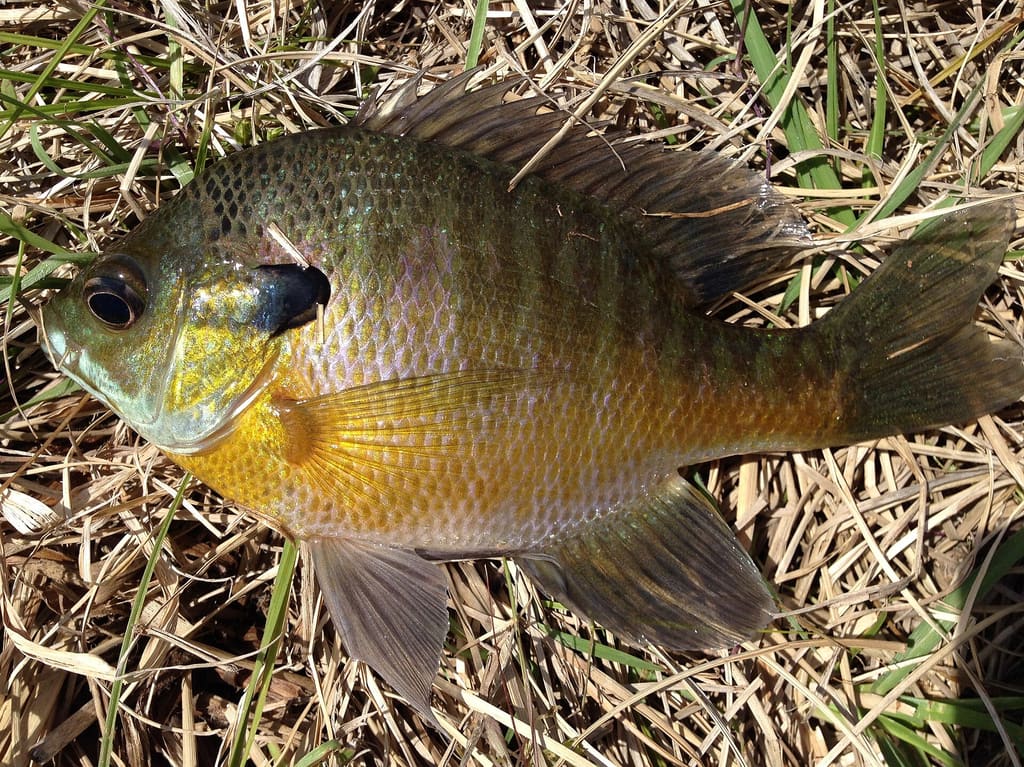
- Never let a fish flop on rocks, gravel, dry grass, or a hot boat deck.
That slime layer matters more than it looks. Dry hands, dry towels, and dry surfaces scrape it off and open the door to disease.
Handle With a Soft, Supported Grip
How you hold a fish determines whether you support it or injure it. The goal is a secure but gentle hold that keeps the fish’s internal organs and spine protected.
Support the body
For larger fish, support the weight horizontally with one hand under the belly near the head and the other near the tail. Never hold a heavy fish vertically by the jaw alone, as that can dislocate the jaw and strain the spine.
Protect the vital areas
- Do not squeeze the fish, especially around the soft belly.
- Keep your fingers out of and away from the gills, which are fragile and bleed easily.
- Avoid touching or pressing on the eyes.
Remove the Hook the Right Way
A clean, quick hook removal saves the fish a lot of stress. A little preparation makes this far easier.
- Keep needle-nose pliers or a hook remover within reach before you start fishing.
- Back the hook out the way it went in, using steady pressure rather than yanking.
- Pinch down the barbs on your hooks ahead of time, or use barbless hooks, so they slide out cleanly.
- If the fish is hooked deep in the throat or gut, do not dig for the hook. Cut the line as close to the hook as you safely can and leave it. Many hooks rust out or work free over time, and that is far better than the damage caused by tearing one out.
Circle hooks are worth a special mention. Because of their shape, they tend to catch in the corner of the mouth rather than deep inside, which makes them an excellent choice for catch and release, especially with live or natural bait.
Use a Net That Helps, Not Harms
A good landing net keeps the fish calm and shortens handling time. The wrong net can do real harm.
- Choose a rubber or knotless rubber-coated net. Traditional knotted nylon mesh scrapes off slime and can tangle fins, jaws, and hooks.
- Keep the netted fish in the water while you work, rather than letting it thrash in the air.
- Avoid lip-gripping tools as a substitute for proper body support on heavy fish.
Revive Before You Release
Do not just drop a tired fish back and walk away. A fish that darts off the instant you let go is usually fine, but a sluggish one needs help getting oxygen flowing again.
To revive a fish, hold it upright in the water, facing into a gentle current. In still water, move it slowly forward in a straight line, or hold it steady, so water flows over its gills from front to back. Do not push it rapidly back and forth, which forces water the wrong way. Hold on until the fish regains its balance and kicks free under its own power. With a strong, healthy fish this takes seconds. With a tired one it may take a minute or more, and that patience is what keeps it alive.
A Quick Pre-Trip Checklist
Before your next outing, make sure you have:
- Needle-nose pliers or a dedicated hook remover.
- Barbless hooks, or barbs you have already pinched down.
- A rubber or knotless landing net.
- A plan to keep handling time and air exposure short.
- A quick look at the current local regulations.
Final Thoughts
Catch and release done well is a skill, not just an intention. Land the fish quickly, keep it wet, handle it with wet and gentle hands, remove the hook cleanly, and take a moment to revive it before letting go. None of these steps are hard, and together they make an enormous difference. Treat every fish like one you want to catch again, and you will leave the water knowing you gave it the best possible chance to swim another day.


.jpg)